How to Coach a Sales Team Like Ted Lasso | Rodney Alcantara (Deel)
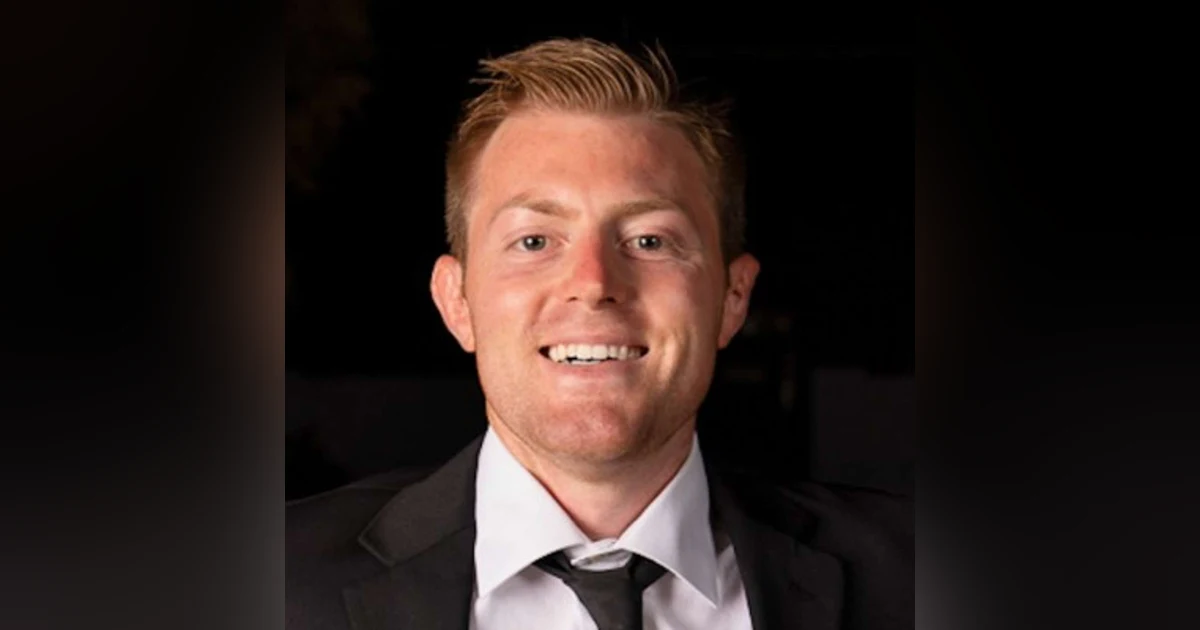


In this episode, I sit down with Rodney Alcantara, Sales Manager Mid-Market & Enterprise NAM (Deel IT), to talk about remote sales leadership, hiring, coaching underperforming reps, developing future managers, and building high-performing teams. Rodney shares how his approach to leadership has evolved from an in-office environment to managing remotely, why understanding what motivates each individual matters, and how acts of service and intentional one-on-ones can help leaders build stronger relationships with their teams.
We also talk about what Rodney looks for when hiring salespeople, why upward career progression and strong referrals stand out, and how a candidate’s follow-up after an interview can reveal how they might handle prospects. Rodney explains why he approaches underperformance with curiosity instead of judgment, how radical candor works when employees know their manager genuinely cares about their success, and why great managers have to adapt their leadership style to each person instead of managing everyone the same way.
TOPICS WE COVER
- How to motivate and build strong relationships with salespeople on a remote team
- What Rodney looks for when hiring, from upward career progression to referrals and interview follow-up
- How to coach an underperforming rep using curiosity, radical candor, and a team-first approach
- Why great sales leaders manage each person differently instead of using the same approach with everyone
- How to tell whether a top-performing individual contributor is actually ready to become a manager
- Why mastering the fundamentals, finding mentors, and embracing discomfort are critical for long-term career growth
ABOUT THE GUEST
Rodney Alcantara leads a North American sales team for Deel IT, working across the mid-market and enterprise segments. He began his tech sales career at Yelp, where he started by making 100 cold calls a day before progressing from individual contributor into sales leadership. Throughout his career, Rodney has held sales and management roles at companies including Yelp, Uber, Kandji, and Deel.
LINKS
Connect with me: https://www.linkedin.com/in/carter-armendarez/
Subscribe to the newsletter: https://www.techsaleswithcarter.com/newsletter/
Learn more about Deel: https://www.deel.com/
Carter (00:01.422)
Hey Rodney, give the people a quick intro. Who are you and what do you do?
Rodney Alcantara (00:05.048)
Yeah. Hey Carter. So hey people out there. My name is Rodney Alcantara. I today lead a sales team in North America for Deel IT. for those of you who probably know Deel, we're an all-in-one global people platform, which started off as HR payroll, but I lead our IT vertical for the mid-market and enterprise space. I reside in San Diego. I'm originally from the Bay Area, from San Francisco, started my career.
in tech at Yelp, making a hundred cold calls a day. That was fun. probably not what I was expecting graduating college, but really kept my cut my teeth at the sales there. Then have worked for a numerous amount of comp companies from there, right? From being an AE to a sales manager, at Yelp, Uber, Kandji before Deel. So yeah, that's just a little bit about me.
Carter (00:41.007)
Yeah.
Carter (00:56.194)
You used to be a big in office guy. I saw the video of you with the afro, the sunglasses, the crown at Yelps HQ, getting the team fired up. How do you get people motivated now that you're not in office and around them all the time?
Rodney Alcantara (01:08.438)
Yeah, you know, it's yeah, I used to be a big in office guy, right? Like human connection, you can't beat that being in an office, like being in the trenches with someone in that regard. But it it's wild as you get older. And now it's how do I say this? I think working remote is a privilege, right? I think we went through the whole COVID thing where everyone was kind of working remote for a little bit, and now it's been more of a norm to return to office. And
Now, from a perspective of the people who work remote that I work with now, they just have a whole different perspective of I know that this is a privilege. I can't mess this up. I can live where I want to live. but to motivate people in that same regard from a remote environment, it's more so getting to know who those people are and what what they really show up for. I know the people who I work with on a day to day, they're wise, why they show up. And then basically doing
Actions, I guess you can say, right? Like taking care of things that they need to do. I'm at a loss for words right now because it's the the end of the day. But what is it's not words of affirmations, but it is acts of service is what I was trying to find there. So when you can do acts of service for your team from a remote standpoint to help them get to where they need to get to, and then when you also have intentional one-on-ones really getting to
Carter (02:14.884)
Yeah.
Rodney Alcantara (02:32.386)
get to know them as well as like what's going on in their life and and being a human first and understanding that. with also like giving them that flexibility that they need to do their role, like that's motivating enough for them to to get to do what they need to do from a remote perspective.
Carter (02:46.073)
You know, that just reminded me this I wasn't gonna throw this in, but I was going through your LinkedIn and I saw you go pretty deep. I saw you got a guy Pokemon cards, right? Like you go pretty deep with your with your some of your team members.
Rodney Alcantara (02:54.146)
Yeah. Yeah, Matt and my team, big Pokemon guy. and so when I was in Japan, I just made sure like, hey, he needs some cards. Took some time out of my vacation to just go find him some. And funny enough, he was able to score on a card that was one of the top cards in that set. I think it was like an Umbreon card, from what I know from one of the Pokemon sets. And yeah, so hey, doing that putting
People like a smile on people's faces for my team. That's what motivates me. That's why I'm in the role. as much as I love closing deals, I love to see the members on my team improve and accomplish their goals. That fulfills me more than anything.
Carter (03:35.491)
You've hired a lot of salespeople across your career. What's the one thing on a resume or in an interview that makes you more interested in a candidate? And what's one thing that you see and you're like, f this is an instant pass, we're not gonna hire this guy or a or a girl.
Rodney Alcantara (03:48.879)
Yeah, absolutely. when I look at resumes specifically, I always look for upward mobility, right? Like, do they have upward progression? Upward progression is huge, right? It's one of the things I always say to newer people within their career is like, enjoy the journey, right? We are we are so conditioned to I mean, you think about it, right? From when we were four years old all the way up till we're in college, we get promoted.
Carter (03:56.781)
Hm, okay.
Rodney Alcantara (04:17.218)
kind of every single year. That's kind of like the expectation our head from preschool to kindergarten, first grade, second grade, all the way up until we get to college. And, you know, when we get into this real world afterwards, that's not necessarily how it works. Right. So to kind of like enjoy, enjoy that journey and seeing that upward progression in whichever timeframe that is, that that's something I definitely look for. referral, referrals are huge, right? I've I've kind of looked at that as
Carter (04:18.892)
Right.
Carter (04:41.954)
Okay, yeah.
Rodney Alcantara (04:44.834)
You know, the people that I work around, they wouldn't refer their teammates or a friend unless they know that that person's great and is a good human being at the same time. You know, I think that's what I really look for within interviews is obviously you want people to work hard. You want people who, you know, are top performers, but everyone in an interview is gonna tell me that they're a top performer. Right. Like I'm I'm never gonna go into an interview quarter and someone's gonna be like, Yeah, like, you know, I missed two quarters in a row and
Carter (05:07.065)
Sure.
Carter (05:11.577)
Ha ha.
Rodney Alcantara (05:13.442)
You know, it people like you know, people are tough to admit that. sometimes I respect honestly when people own it and they're just like, hey, I missed a quarter. But yeah, it it's one of those things where people who are good, genuine people, the upward mobility piece, referral also helps in that regard because you can really kind of like fact check, I guess you can say, right? Like, you know, your reputation is everything. And if someone's gonna refer you, that that just means that like, hey, like you're held in high regard.
Carter (05:39.417)
You know, do you really vet the referral? Is it like do you ask Mot like is this your friend or is this just some random person basically that you that you push through?
Rodney Alcantara (05:45.869)
Yeah, absolutely. You can kind of tell a little bit like with how people bring people up. It's like, hey, I know this person, but I I want you to make your own opinion, or they really go hard with all these details of like, hey, this person's phenomenal, would love to work with them again. They were a top performer. The initial type of introduction is important. Or if like there's other times where people will just refer people through our internal ATS.
And then you don't hear from them, it's like, okay, well, why aren't you speaking about this person? Right. So it's one of those. So it's you kind of read in between the lines. the other thing I'll say within an interview perspective, it's not required or not asked, but when I do interview people, especially for a sales role, right? Like I don't expect thank you emails or recap emails or any of that, but those who do send it within their own, like their just their own time just shows me how important the role is to them.
And then it also kind of gives me an insight of like, okay, this is how they follow up with the prospect. Right. If they really want this job and they're sending things, even if I don't reply, which most of the time I will, it just shows me their intention and in attention, right? And how they would handle a sales prospect too at the same time.
Carter (07:00.227)
How do you coach an underperforming rep? Walk me through what that looks like. And I know again, something else I saw on LinkedIn, you said you're a big believer in radical candor. How does that show up in that process? If it even does it all?
Rodney Alcantara (07:11.768)
Yeah, absolutely. I think, you know, first and foremost, like I come in with curiosity, not judgment, right? It's I'm a big Ted Lasso guy, I know if you can see this belief sign in the back, but I lead with like be curious, not judgmental. Right. The one thing, like I'm assume Carter, you're the same way, just like I am. If I know I'm doing bad, I'm probably my worst critic. Like I know it more than anyone. So and my AEs are mostly the same way. They don't need me to come in and be like, hey, you're doing horrible or you're doing bad. Like
Carter (07:33.389)
Right, yeah.
Rodney Alcantara (07:41.793)
No one, first off, likes to be told what to do, right? Like it in a human aspect. And the radical candor part comes in, kind of what I alluded to earlier. It's like I really get to get to know my people, who they are, what motivates them. And I truly genuinely care about their success. And because of that, when I come in with curiosity and I don't judge them, I ask some questions of like, hey, walk me through what you're seeing, like what's working, what's not. And we were working on it together. And they know when I'm giving them feedback, it's not a dig at them.
Right. It's just more so I rather be transparent and honest and let them know that there is a place for them to improve as opposed to doing them a disservice. Most people, what I mean by disservice, most AEs and most people, they appreciate feedback. They rather be told and they can handle it as opposed to them being strung along and not being told that there is something they need to improve on. And then all of a sudden it's like, okay, well, I'm not doing well or I'm on a pip.
Carter (08:37.121)
Mm-hmm.
Rodney Alcantara (08:41.676)
And it's like if you are just trying that whole time and being honest and being genuinely honest to try to help them improve and showing that effort alongside them, then they can take that feedback and show that. So, you know, again, like being curious, asking what's going on, what they see, and then working on it together. It's a we thing, right? It's not a them thing, it's not a me thing, it's a we thing because we're a team. Cause the whole team's number is also our team number. I'm never gonna say it's me. And I'm a servant leader in the sense of.
Just because I'm a manager now doesn't mean like, again, I don't I don't bark orders from the back. Like I'm a servant leader, I lead from the front. You need to be on discovery calls, in demos, negotiation, whatever it may be, but it's a wee thing. So because my team knows that, they know when I give them feedback, especially in a place where it's not positive feedback, a place where they can improve, then they know I'm coming from a place of care to try to help them and not just get at them, I guess you could say.
Carter (09:38.091)
Okay, yeah, that makes a lot of sense. Looking back across your career building and leading sales teams, what's the biggest lesson that you wish you'd known earlier or you wish you'd learned earlier?
Rodney Alcantara (09:49.459)
man. within my career or or hiring?
Carter (09:54.274)
Ye well I mean honestly in your in your career, just yeah, in your career as a leader, like is there anything that you've learned at by this point where you think, I wish I'd known that when I first started?
Rodney Alcantara (10:04.93)
Yeah, I learned this very early on is that although I'm managing a team now, that it is I don't not necessarily have one team. I mean, we are one team. However, I have a team of eight or 10 different individuals who are motivated differently, who learn differently, they communicate differently, right? and so it's my job along with theirs to figure that part out. Like it's the balance of what to group message and what not.
Carter (10:21.059)
Mm. Right.
Rodney Alcantara (10:34.946)
Right. and within that, that allows me to then manage each of them differently. I I may not treat every single person the same because they're different people. And so instead of me making them fit to me, I'm fitting to each of them individually as who they are, which I think has then allowed me to really help people progress within their careers and know again, like it's from a remote perspective, know which way to help them, hold them accountable at that same time.
Carter (11:01.679)
Mm.
Rodney Alcantara (11:03.778)
And then at that point, again, it's easy for them to kind of progress. Right. So that's something I wish I learned early on. You know, I think it's, you know, when I first became a manager, at that point you're you're really trying to figure out like, okay, like how am I gonna do this? And it's like, you know what, like focus on each of the people on your team. Like slow down the speed up sometimes. Really get to learn who they are and how they grow and how they learn, and then you'll be great from there.
Carter (11:29.025)
Interesting. So one thing you're saying won't 'cause yeah, I've never really been in a in a leadership position like that. You're saying people react quite differently to certain like you're not going with a blanket message to most people.
Rodney Alcantara (11:40.193)
No, no, not especially from an individual level, right? Like one-on-ones are golden. and especially from a remote level, right? That's the time of like that's their safe space. Like you there are certain times where I'm looking forward to talk to my leader, and I'm sure that time for my AE's, it's like, okay, this is the my time to chance and my chance to talk to Rod. Like this is how he's gonna help me. This is how we can catch up. These are some things that I'm seeing also, like.
The other piece of feedback too that I would give people who are in a leadership position is it's okay to take feedback from your team too. You're not perfect. And if you're the one that's gonna be giving them feedback, they should be giving that alongside you of how to improve the business, how to improve the team, right? if they need to give you feedback on how they need to be coached, take that, right? Because when you're when you include yourself in a space like that where feedback's a two way street and sometimes people think friction is a bad thing.
Sometimes friction's a good thing, right? Where when you guys disagree on something, that's a good thing. And then that way you can improve on it. Because if again, like the back to the whole like giving feedback to an AE, you know, if I can give them feedback and tell them what's going on, why can't they do that in return with me? That doesn't hurt my pride. I don't have any ego with that. And with that comes with a safe environment and things can improve and move forward quicker.
Carter (13:02.487)
You've promoted people from individual contributor to management. How do you know if a sales rep is gonna be good and he's ready to be a manager versus someone who's great at maybe a great AE, but they're not gonna be good or as good as a manager?
Rodney Alcantara (13:18.38)
Yeah. The main question I ask is why? Like, why do you want to be a manager? Right. And if the answer is, hey, I you know, like I've always wanted this title or, you know, I want to make a lot of money, that's probably not the the first right answer, right? Like being a manager is a thankless job. Now, if your answer is, hey, I genuinely love helping people, I want to see people win. You know, I want to lead and help teach people what I know times X and help that within the business.
Carter (13:29.721)
Mm, yeah.
Rodney Alcantara (13:47.235)
Then we're talking because you want to be a people manager. Like you got to know that your main goal is people first, right? That's the main aspect of it. It's and then on top of that, it is also the revenue and all that, which is also very important. But when you can combine those two things together, that is powerful, right? So that's the main thing. It's like you got to make sure that you're going into management for the right reasons. Sometimes it's a thankless job.
You also have to get used to seeing your AEs are going to make more money than you sometimes. And if they do, you're doing a great thing, right? Have I seen times where I'm like, wow, I might want to be an IC again. But it's also like, you know what? I'm so genuinely happy for my team when they're crushing it and doing that. And it just goes back to me getting to know them and of why, right? Like I've had an AE this past year who's crushed their number. And now with their commission check, they can finally plan their wedding. Another one who's starting a family, right? And those are the things that fulfill me and make me happy.
Carter (14:17.41)
Right, yeah.
Rodney Alcantara (14:41.028)
to make sure that I'm in this role because I love helping people.
Carter (14:45.625)
Do you think most leaders learn that through time or do you think that's just kind of a like you're born with it maybe, where some people are a little bit more interested in people in that way, that why? Or do you think people learn it?
Rodney Alcantara (14:57.122)
Yeah, you know, it's I think generally you have to have that trait, right? Like I don't know if you can necessarily like inherit it over time. I think what might happen is, you know, I've had different colleagues of mine and friends who hop into management and they realize, hey, you know what? I do like helping people. However, I like making money more. Or I, you know, or it's like, hey, like I I didn't expect the responsibility of knowing that like, hey, I have 10 different people.
Carter (15:18.36)
Yeah.
Rodney Alcantara (15:26.39)
Whereas like I was just used to kind of controlling just me and I want to kind of get back to that. Right. And it's it's one of those things where you also have to be okay knowing that there's not a lot of there's gonna be some things that are out of your control as a manager, right? And knowing which pieces to like, okay, help within a framework to help your team out. And you kind of realize that it's like, okay, am I fulfilled by this? Do I like this? Or do I just kind of miss being an IC at that point? You know, I see you also have a lot of flexibility.
Carter (15:39.406)
Mm-hmm.
Rodney Alcantara (15:56.461)
Right. Like you think about you, you're kind of in control of your schedule a little bit, whereas like a manager, it's like times 10 plus other internal meetings that you got to do within your team. And so I think you just kind of realize that over time. But I would say most people who genuinely like love helping people are probably the ones who want to lead towards that leadership route. Right. but again, like it just really depends on that individual.
Carter (16:20.956)
As some final some parting words, what's one piece of advice you'd give to somebody early in their sales career who wants to be where you're at down the line?
Rodney Alcantara (16:28.502)
Yeah, I would say like, you know, fundamentals are key, right? So whatever role that you're in, get really good at the fundamentals, like not like don't like no tricks, no hacks, like actually understanding what you need to do to get to where you need to get to. and your journey's your journey. I think it's tough for for some individuals to early in their career kind of compare, play that comparison game or
Carter (16:55.62)
Yeah.
Rodney Alcantara (16:56.716)
You know, it's like, hey, these people I graduated with, they're progressing further than I am. They're quicker. Well, hey, well, that's probably because they were ready. It has nothing to do with you. Right. So kind of focus on your journey. find mentors, learn, do the work. and if it's meant for you, it'll happen, right? continue to learn. It's the biggest thing. And I think as much as it is in sales, that it's a numbers game, it's also a mental game. So make sure that you are.
prepared mentally to be able to handle the the challenges, the ebbs and flows. And you know, going back to one of the things that you said earlier, it's like some people want the title, right? Or they want the management title. And then they hop in, they're like, whoa, I didn't expect it to be like this. It's one of those, man. And also know that like you're never ready for your next role, right? So the one thing I will tell people is if you are feel challenged and you feel uncomfortable doing what you're doing, you're in the right place. You're growing.
Carter (17:36.61)
Yeah.
Rodney Alcantara (17:55.16)
Right. And if not, then you're if you're not growing, you feel comfortable, you probably need to find yourself to be a little bit more challenged to get to what you need to get to.
Carter (18:03.437)
All right, well I think we got some good stuff here. I'll end it here.
Rodney Alcantara (18:06.283)
Awesome.


