Strategic Sales Is a Team Sport | Jaron Murphy (FICO)
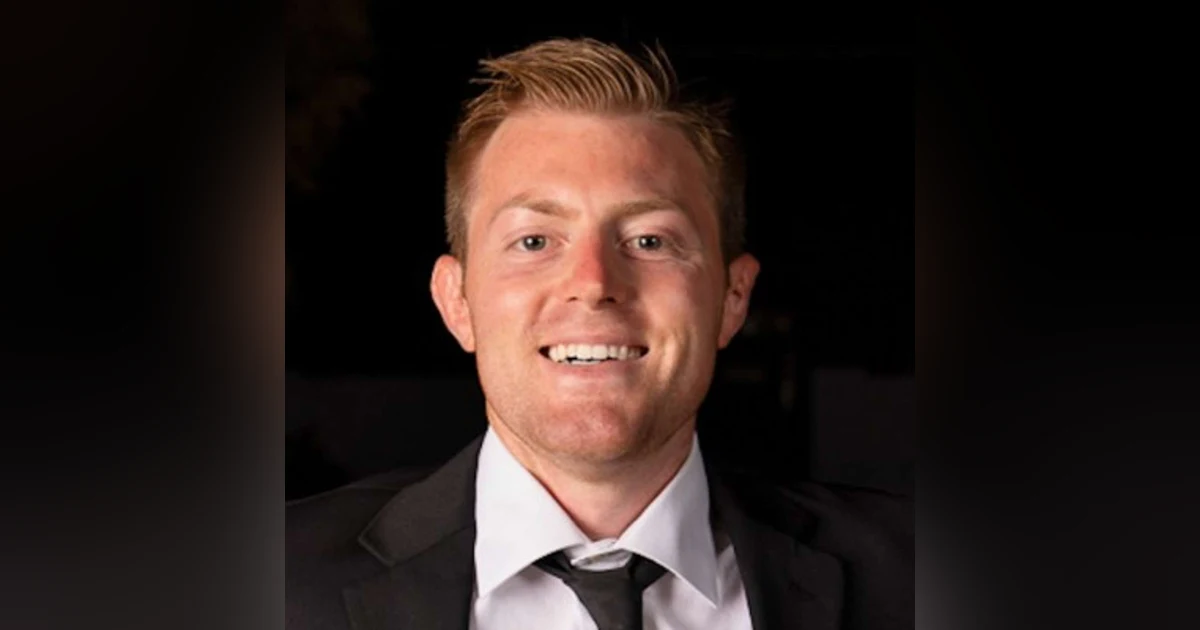


In this episode, I sit down with Jaron Murphy, Head of Scores Partnerships at FICO, to talk about the lessons he has learned across cold calling, enterprise sales, strategic accounts, sales leadership, and partnerships. Jaron explains how early rejection built the resilience he has carried throughout his career, why trust must be earned when selling to senior executives, and how joining FICO forced him to develop into a more strategic seller.
We also talk about why selling into banks requires a different mindset, how strategic account management differs from simply being a strong closer, and what individual contributors must unlearn when they move into leadership. Jaron shares what makes a partnership generate real revenue, why curiosity is one of the most important qualities he looks for when hiring, and why ambitious sellers should stop comparing their career progress to everyone around them.
TOPICS WE COVER
- How cold calling builds the resilience needed to succeed throughout a sales career
- Why trust is the foundation of selling technology to banks and financial institutions
- What separates a strategic account leader from someone who is simply a strong closer
- Why new sales leaders must shift their focus from personal success to their team’s success
- How authenticity and relentless curiosity help teams build something from the ground up
- What separates revenue-producing partnerships from partnerships that only create meetings and press releases
ABOUT THE GUEST
Jaron Murphy is the Head of Scores Partnerships at FICO, where he leads the go-to-market function for strategic partners within the FICO Score business. During nearly seven years at FICO, he has sold the company’s software platform to major financial institutions, led its U.S. platform sales business, and built a new partnership team within the scores division. Before joining FICO, Jaron was an Enterprise AE at SAS.
LINKS
Connect with me: https://www.linkedin.com/in/carter-armendarez/
Subscribe to the newsletter: https://www.techsaleswithcarter.com/newsletter/
Learn more about FICO: https://www.fico.com/
Carter (00:01.282)
Hey Jaron, give the people a quick intro. Who are you and what do you do?
Jaron Murphy (00:06.002)
Yeah, first and foremost, Carter, thanks so much for having me on, man. I've seen a lot of your shows and I love what you're building here. So so thanks for the opportunity to chat. a little bit about me. My name is Jaron Murphy, and I am the head of scores partnerships at FICO. so in my current role, I lead the go-to-market function for all of our strategic partners within the FICO score segment. I've been with FICO for almost seven years now.
Prior to my current role on the scores business, I spent many years on the software division of FICO, selling our platform to the biggest financial institutions across the globe before moving into leadership where I ran our US platform sales business. I did that for a while and then I had the opportunity to move into the scores division where I'm at now to build the partnership team from the ground up. so I've been doing that for the past couple of months and absolutely love it. you know, prior to FICO, I had a variety of tech sales roles.
Most recently I was working at SAS as a enterprise account manager selling analytics to to enterprises.
Carter (01:08.972)
So you came up as an enterprise AE at SAS, then moved through global accounts, sales leadership, now partnerships at FICO. What did each move teach you that you couldn't have learned in the previous scene?
Jaron Murphy (01:20.594)
Yeah, that's a great question. you know, it's funny. What I've noticed is you know, have you ever had a role where you didn't think you learned anything and then all of a sudden it was like the most profound experience of your life? you know, for me that was my my very first sales job. And I look back and it was one of those, you know, super traditional entry level sales jobs, smile and dial, hundred calls a day type of thing. And I remember thinking like early on, like, man, sales sucks. Like there's gotta be more than this.
Carter (01:44.866)
Yeah.
Jaron Murphy (01:50.473)
But I had someone in my network who it was pretty high up at HP in the sales department. And she told me, she goes, Jaren, if you can be successful in cold calling, you can be successful in anything. You know, and I remember thinking at the time, I was like, she's crazy. But like as I look back now, like she was so accurate in that statement. You know, when you're rejected 30 to 50 times a day, like it really forces you to take a step back and decide like, how do I want to show up every day? Like who who is Jaron gonna be day in and day out when
You know, not not everything's going your way every single time. you know, so for me, not only did that experience like build resiliency, but it also I was forced to make a decision to show up every day with energy and passion, you know, and that's the mentality that I've carried with me throughout the entirety of my career. So, like it's funny how like one one small role that I didn't think was gonna be that profound turned out to like set the pace for how I show up the rest of my career up to this point. But you know, fast forward to right before I joined FICO, I was selling.
Analytics and the enterprise space, but it was still pretty transactional. It wasn't so much smile and dial, but you know, I was focused on quantity. There was, you know, a direct correlation between activity and success. And I was really focused on the here and now, trying to get every deal I could. It wasn't really strategic. then you fast forward a little bit more to when I first joined FICO, you know, and it was my first move into like real, true strategic sales, you know, and as I look back, I think.
Carter (02:51.341)
Mm-hmm.
Carter (03:11.992)
Yeah.
Jaron Murphy (03:13.842)
The reality was like when I joined, I was thrown into the big leagues when on paper I was probably more qualified for the minor leagues. but I had a boss who you know, I'm really fortunate to still work for today, who saw something in me before I saw it in myself. And he was willing to kind of throw me in the deep end to work with me and to really give me an opportunity to thrive, you know. And at this time I was I was still pretty young in my career and I remember I was walking into, you know, C suite
offices of some of the biggest banks in the world. you know, and I'd hear comments like, I have kids older than you. And it's like, thank you. you know, and like that could be really discouraging. But if for me, I decided to use that as fuel. and what I learned in that role is that trust and respect aren't given, like they're earned, you know. And I find that to be so true in every aspect of my life. And, you know, I've noticed now that there's a direct correlation between the value you deliver,
Carter (03:48.582)
Yeah.
Jaron Murphy (04:11.166)
In like the respect and the trust that you're given. So like I really made it my goal to become an an expert in the industry and in the solutions I delivered so that I could walk in and deliver value to my clients. then fast forward a little bit more, and then I moved into leadership. And this was probably the biggest learning moment for me. You know, for starters, there's something very different about how you have to operate as a leader. I don't want to say political, but
Carter (04:35.405)
Yeah.
Jaron Murphy (04:38.888)
You know, words matter a lot more and the energy you bring every day carries a lot more weight and influence in ways that it didn't before. and then the second for me, it's the notion that you own your team's success, like that's a lot of weight and pressure when when you're first starting out in that role. you know, I heard a saying years ago that I've always believed to be true. It's sweat more in peace and bleed less in war. And like and as a leader, like it's my job to ensure that my team have the tools and the knowledge needed to be successful.
day in and day out. And if they fail, it's a direct reflection of me on as a reflection of me as a leader. so that was a complete mindset shift from my previous role. But at the end of the day, it was one of the best learnings I've ever
Carter (05:22.592)
You know, I'm maybe gonna throw a curveball 'cause I didn't send this one to you before. But I was curious, your new in your new role, how I mean, maybe you sort of touched on this on in the last answer, but coming into this new role a few months in where you're building this thing from the ground up, how do you know what to do? Like what do you do when you roll in? Is there a lot of guidance or it's just like figure it out pretty much?
Jaron Murphy (05:44.359)
Say mix of both. There, and that's one of the things that I love about it is there's guidance on obviously these this is the mission, this is what we're trying to achieve. Everybody has a goal, we know what we're fighting for. But on the other side, it's like, look, this is a brand new space for FICO. We haven't operated, we haven't had this partnership team in the scores division. so there's also this concept, this kind of notion or concept of like a blank canvas and being able to make it whatever we want it to be. And that's part of the fun of the last couple of months that I've been having with my team is like I'm looking for people that are willing to come in.
You know, try new things, ask questions. Like when I'm I've been doing a lot of interviewing and hiring lately, and people always ask, like, what are you looking for? And I say I always look for two things. Number one is I want somebody who's authentic. Like I want you to show up and be who you are. But number two, I want you to be relentlessly curious. Like join the team, come in, look at the way we're doing things and question why we're doing everything. Like I want new ideas flowing because that's the only way we're gonna get better as a a team of new individuals. We don't we don't know what we don't know. So I
For me, it's like I want my team to be relentlessly curious to try to figure out. Like we're kind of building the plane as we go. We know what the end destination is, but we're trying to build the plane and figure out the flight map on how to get there halfway through. So it's been a lot of fun.
Carter (06:57.422)
That does sound very fun, yeah. When you I'm sure right, yeah, I'm sure. Sounds like it, yeah. When you went from selling in the leading US solution sales, what did you have to unlearn as an individual contributor when you made that move to leadership?
Jaron Murphy (06:59.582)
Chaotic but fun.
Jaron Murphy (07:14.588)
Yeah, I think this is such an important question to ask. I think a lot of companies, there's this notion that if we just take our top rep and move them into leadership, like they're gonna equate to be a great manager, you know. And I've seen this in my career over and over again, where we take top reps, move them to leadership, thinking it's the next logical step, you know, we're checking the box.
Carter (07:28.439)
Yeah.
Jaron Murphy (07:38.543)
I've seen them struggle over and over again to make that transition. And like I get it, like I've been there. That transition is really hard. Like that's a big leap to make. so for me, I think you know, the the number one thing is I did a lot of reading when I first started, so I tried to get an understanding of like what to expect. But for me, like what I didn't really notice was this notion of taking a step back from the spotlight and not in like an ego.
Driven way, but like the reality is when you're crushing it as an IC, like you're used to the glory. The highs are high, the lows are low. But like, you know, when things are going well, you're up on stage, you're on the big award trips, you know, you get used to that. And that gives you a sense of pride and a sense of drive. And when you move into leadership, like that all shifts. Like you're no longer on the front lines, you're behind the scenes. You know, it's my job as a leader, or it's not my job as a leader, to be inserting myself.
into a deal. You know, like if I'm continuously trying to micromanage or control, like what am I signaling to my reps? I'm signaling to them that I don't trust them to do the job. So it's a big shift to be on the front lines to then move to behind the scenes. and I think that goes to a a a bigger point as well. You know, when you're an IC, you really live and die by the number. Like you know exactly where you stack up. There's a leaderboard that shows you how effective you are at your job. And don't get me wrong, like as a leader, you still have a number in a
Carter (08:43.287)
Right.
Jaron Murphy (09:03.88)
You know, it's a much larger number. but you don't you don't have direct control over that. Like you go from having the direct control to being in a role where your job is to get a team to perform at the highest level and to execute day in and day out. Like you're no longer winning based on what you do, you're winning through your team. And that's a really big transition. you know, and as part of that, there's a lot of new skills that you need to learn the coaching, strategic planning, all the things that go into being an effective leader.
but at the end of the day, like my focus when I moved into leadership, it it was giving up that control. It was shifting from my success to my rep success. You know, and if my reps and my team are individually successful, then the entire team is successful. And if the entire team is successful, then I've successfully done my job.
Carter (09:46.542)
Mm-hmm.
Carter (09:51.861)
You spent most of your career in the data and analytics space. What do pure tech sellers get wrong when they're selling into banks and lenders? Just people f not coming you know, people not coming from that space when they move over, what types of things are they getting wrong? It's maybe different about that selling into those types.
Jaron Murphy (10:06.025)
Yeah, 100%. you know, I swear this question gives me PTSD. before I joined FICO, I'd never sold into banks. and I thought that, you know, my experience as a tech seller would just translate no problem into the banking industry and the banking world. And boy, I could not have been more wrong. you know, the first thing that that caught me off guard was the pace of deals. You know, pure tech sellers, I think we all come in assuming that.
Carter (10:22.126)
Yeah.
Jaron Murphy (10:32.595)
You know, the same speed and the urgency that works everywhere else is going to work in banking. I've seen it firsthand for myself. and the reality is it just doesn't. You know, banks move relatively slowly. There's a lot of red tape. It's not, you know, churn and burn transactional sales cycles. It's very much like you're going through compliance reviews and infosec reviews, risk committees, procurement. there are just so many layers inside of banking that you just don't see in other industries. And the reality is, is to be successful, you need all of those different parties.
To have ownership in buy-in to actually make this sale. you know, so another kicker is that with all of those internal processes too, something I've seen day over and over again is that those internal processes change all the time. So like even though you think you've got it figured out on how to navigate them, like you have to relearn it the next time you work with a bank because everything has shifted. you know, I would work with one bank and then a year later I'd work with them again, and that entire process was different. So it's a constant learning. the second thing is.
Carter (11:22.753)
Yeah.
Jaron Murphy (11:31.622)
I never responded to more RFPs in my life, Carter. I swear. Every single deal that came with an RFP. And, you know, I think a lot of people think at first when they hear RFP, they think money, it's about price. It's a race to the bottom. in banking, it's not. It's more about the governance. It's about getting multiple departments to to buy in. you know, so that's a big part of why the sales cycles are so long and stretch out the way they do. is because it is such a complicated and there's so many stakeholders within it.
But I think if the, you know, the number one challenge when moving from a different industry into banking is the regulatory piece. There are, you know, I I think I don't know if there's another maybe government. I don't know if there's another industry that's so constrained by regulatory regulatory compliance as banking is, that it really forces a total mindset shift in how you go to market and how you position your solutions. You know, at the end of the day in banking, trust is everything.
When I was early on in my banking career, somebody told me they said, Jaren, I'm gonna give you a piece of advice. There's, you know, if you want to sell successfully in banks, you gotta be able to do one of one of three things, preferably two or three of those three, but you have to do at least one. You have to either make them money, save them money, or keep their you know what out of jail. And I remember like I laughed at the time, but like honestly, that was some of the best advice I ever got. The ROI in banking matters much more than just the financial aspects. It's all about managing risk and exposure and ensuring that you are delivering.
a safe and trusted solution to the banks. Like, you know, one last part of this, like when you look at you look at the world of AI now, like it's it's even more interesting for financial institutions because you can't just bring them a model and exp like plug and play and see you later. Like there's so much fair lending and regulatory requirements that go into that that other industries don't deal with. But like, you know, you have to be deliver not only deliver banks don't have to just deliver the right decision, but they need to be like be able to explain and defend why that decision was made.
Carter (13:08.686)
Right, yeah.
Jaron Murphy (13:24.479)
so trust is really the linchpin. It's the single most important signal in the entire sales process. And I think that's more than in any other industry that I can think of.
Carter (13:34.062)
That's very interesting because my new role is selling into banks and before I was selling to consumer. So it was like bang bang bang, like you wanna do it? Okay, let's go. You it's like turn and burnt like we're hitting doing so many deals. And yeah, it is so you know, I'm not that deep into it, but it is so different. I'm like, All right, l you know, let's go, let's do a deal and there's so many people involved and there's like you're saying so much red tape and different things.
Jaron Murphy (13:53.951)
It's chaos. And I I think it's critical in banking more than anything else too, one to expect that. but to find yourself a strong internal champion. Like there's so much legacy infrastructure, there's so many rigid systems, like having somebody on the inside who has your back and can help you navigate not just the process, but all like help you connect all the dots across all the different departments makes a huge amount of difference.
Carter (14:18.84)
So you work with some of FICO's largest global accounts. What separates someone who can truly run a major strategic account from someone who's just a good closer? Like what separates people at the top?
Jaron Murphy (14:29.674)
Yeah, that's a great question as well. And, you know, I think it's kind of this concept of going from, you know, becoming a quarterback instead of being the star running back. you know, it and I think a lot of people mix these up a lot. They mix up the difference between being a closer and being like a true strategic seller. you know, a good closer is great at getting the deal done, right? Like they know how to create urgency, kind of the what you were just just talking about, like churning and burning, in and out, like cruising.
Carter (14:54.583)
Yeah, yeah.
Jaron Murphy (14:55.54)
You know, they can handle all the objections, they get to a yes, they fail fast, they do all of the right things. And like, don't get me wrong, like that's that is a real skill. But when you get into the world then of like running major strategic accounts, it's a totally different ballgame. Like it's going from playing checkers to playing chess. you know, and it reminds me, I've seen we had a rep a couple of years ago who was, you know, an absolute killer. Like you you you put him in and he'd go out there and he would just crush down everything. It was the top of the leaderboard every quarter. you know, so
naturally, you know, hand him one of the biggest accounts, thinking like if he was great in that, it's going to translate. He's going to be great in this new role. You know, and then you fast forward a couple months and like everything fell flat. Like the account wasn't moving, deals were stuck. But it was because everything was still being treated as like the this tactical conversation or a tactical conversation, trying to, you know, get the deal in quarter instead of really taking a step back and thinking strategically about the account, asking, you know, what is really needed, not just now, but in the future, the next three to five years.
Carter (15:29.176)
Yeah.
Jaron Murphy (15:54.086)
you know, and it's not that people aren't talented, it's just that they haven't made that shift into thinking beyond the here and now. so for me, I look at it, you know, I think a closer is is usually thinking about the the urgency, the deal that's on the fingertips, you know, really trying to crush what's in front of them. Somebody that's running a strategic account, I think, is thinking a lot bigger than that. You know, they're thinking multi-year, they're thinking about how do I deliver, you know, how do I deliver value to the business.
And not just to the number. And I always say, like, I want my clients to view our relationships as a true partnership and not just a tactical vendor who solves a problem. You know, like I want them, if there's anything, whether it has to do with FICO or not, I want them to think of me first and to pick up that phone and say, Jaren, I need help with X, Y, and Z. Like if I've done that, then I feel like I'm a strategic partner to them and I feel like I'm doing my job successfully. you know, so as part of that, like I want to know what are their goals? You know, where's the industry have like headed? What are the
Carter (16:22.85)
Mm-hmm.
Carter (16:48.27)
Mm-hmm.
Jaron Murphy (16:50.441)
Who are the people in the organization that matter that I need to talk to that I haven't met yet? It's really about expanding the horizon. It's a totally different muscle than just being that kind of individual closer. and then to the last point of that, that being that individual closer, I think it's one of the biggest things is breaking down silos. You know, it's kind of being that star running back to quarterback. Like when you're a closer, you're really good at operating independently. Like you're it's the one person show, you're in there crushing it.
You know, strategic selling is more of a team sport. you know, you are orchestrating that from the quarterback position. You're bringing in all the different internal people that you need, putting all the pieces into the puzzle to make sure that you are offering the most value to your clients, whether it's your analytics team, your software engineers, your finance, your legal, like you are orchestrating all of those pieces together. And I think that is a different skill as well when looking at strategic scale sales versus just being a really great closer.
Carter (17:47.126)
You know, do you have any tips for people on how they would go down that route or learn those skills?
Jaron Murphy (17:52.811)
That's a great question. So I'm a firm believer one in finding the right mentor and finding people who have been there successfully. Like when I get into a new role, I look around and I look at the people that are doing it well and the ones that I want to emulate. And I go and I put time on their calendar and I ask them to help me. I'm a firm believer in learning by doing, but I I also believe that, you know, having the right guidance and the right guardrails in place is critical to that. so for me it's really it it's finding the right people who will
unlock your potential and and and give you the guidance and support you need while also pushing you outside of your comfort zone to do that.
Carter (18:27.798)
Now that you lead partnerships, what separates a partnership that produces real revenue from one that only produces meeting and press releases?
Jaron Murphy (18:36.448)
that's a great question. you know, I'll say this right off the bat. I think there's a lot of value, I think, in both types of partnerships. you know, but the value and the desired goals are very different with each. So, you know, what I love about my my current role at FICO and what we're building here is that I get to work with a variety of partners, you know, and how we interact with each of those partners varies really differently based on their business and the strategic value that we're trying to achieve with them. So whether it be
Carter (18:49.891)
Mm-hmm.
Jaron Murphy (19:06.208)
brand awareness or technology enablement or true revenue driving, you know, go-to-market partnerships. Like there, I think there's a a time and a place for each one of those partnerships. It's just knowing what is the value that we're trying to achieve with this partner and then interacting with them in ways that make sense based on what the the outcomes that you're trying to to achieve. You know, but if we take a step back and we look at, you know, what separates the true revenue driving partners from the others, I think there's a few key things. So for starters,
Is there actual like commercial and go to market plumbing behind the partnership? Like, you know, is there alignment on roles and responsibilities, an understanding of who sells what, who does what, a common target that both sides are working for? next, is there like a true value in the solution being delivered? I think, you know, we've all seen partnerships that look really good on paper and we all think like, these are going to be the next big thing, and then all of a sudden they go nowhere.
Carter (20:02.83)
Yeah.
Jaron Murphy (20:03.806)
Because we didn't do the due diligence to understand does the value translate into the real world and into the clients that we're trying to achieve? so number two, I think it's critical to really ensure that we have that the value that we're delivering is meaningful to the clients and that is actually going to make an impact when we bring it to market. And that is then going to lead to more revenue. and then lastly, and I think this one kind of mirrors the the first point, but you know, I want to be in partnerships where both sides are accountable to the outcome or to the number.
you know, so one of the largest partnerships that that my team manages here at FICO is we operate we almost operate like an extension of each other's business. You know, we hold each other accountable. We're both accountable to the goal. We're expecting that both sides are going to carry their weight to ensure success in what we're delivering. you know, as part of that, like it looks like we're managing a business together, you know, we're working through a pipeline together, we're going to meetings together, we're co marketing together, we're holding QBRs, like.
Carter (20:55.832)
Mm-hmm.
Jaron Murphy (21:01.546)
To me, that's the sign of a really strong partnership. And when you can operate as an extension of each other's business and you have the value and the solution, like that is then gonna translate into meaningful revenue for both parties. And when both parties in a partnership win, then everybody wins.
Carter (21:18.674)
And you sort of touched on this a little bit in the last one or the last question we were talking about mentorship. But any just as some parting thoughts, any piece of advice you would give somebody who's maybe earlier on in their sales career who wants to be where you're at in let's say five years?
Jaron Murphy (21:33.397)
Yeah, absolutely. So I think there are really two things that I look at or kind of bring back on that have enabled me to get to the position that I am. So number one is I urge everyone to find a company, and not just a company, but find a manager as well that not only supports you, but also pushes you outside of your comfort zone. You know, I feel so fortunate every day to get to work at a company like FICO. You know, we employ some of the smartest and most driven people that I've ever met. And when you
Operate in that world, like in when you're surrounded with those types of people and in that environment, like it forces you to continually strive to be better day in and day out. Like you can't help but want to become a better version of yourself. So number one is I urge everybody to find that company that's going to push them and that is going to unlock and enable their the best potential out of them. And then number two, you know, and I think this one, I'll admit this one was really, really hard for me.
But it's to stop comparing yourself to others. You know, I think in today's day and age, like it's so easy to get caught up in the, you know, look what this person is doing or look how quickly they moved up. And, you know, for me, like I remember like when I look back, like this type of thinking did me no favors at all. I saw an interview recently with with Tom Brady. and he said, he made a comment that I absolutely love. He said, quit complaining about what everyone else is getting and worry about what you're getting. And like that hit home to me because like
Carter (22:42.712)
For sure, yeah.
Jaron Murphy (23:01.162)
I like I get it. It's easier said than done. But I truly believe, like, if I show up every day with what I describe to my team as PhD, you know, passion, heart, and determination, and I'm willing to outwork all of those around me, then I know good things are gonna happen. Like I was told at a very young age that cream always rises to the top. And I firmly believe that, and I've seen that over my career. Like if I keep doing the right things, the cream is always gonna rise to the top. so for me, the final thought, like just stop comparing your career to others. Like there's always gonna be people I believe that are
further ahead than you. There's always going to be people that are further behind. you know, but I don't view it as a race. Like I I believe that I'm exactly where I'm supposed to be. and for me, I think it's worse if I try to rush the process. So instead I try to do the right things day in and day out and I let the process come to me. You know, so I show up, I work hard, I take calculated risks, but most of all, like I I try to enjoy the ride, ha have a lot of fun doing it. And so far it's worked out pretty well.
Carter (23:56.682)
Okay, I like that. Those are some good words of advice. Well, I'll end it here. I think we got some good stuff.
Jaron Murphy (24:03.115)
Yeah, awesome, Carter. I appreciate it.


