Lessons from a CEO: People Love to Buy. They Hate to Be Sold | Anthony Romano (CREtelligent)
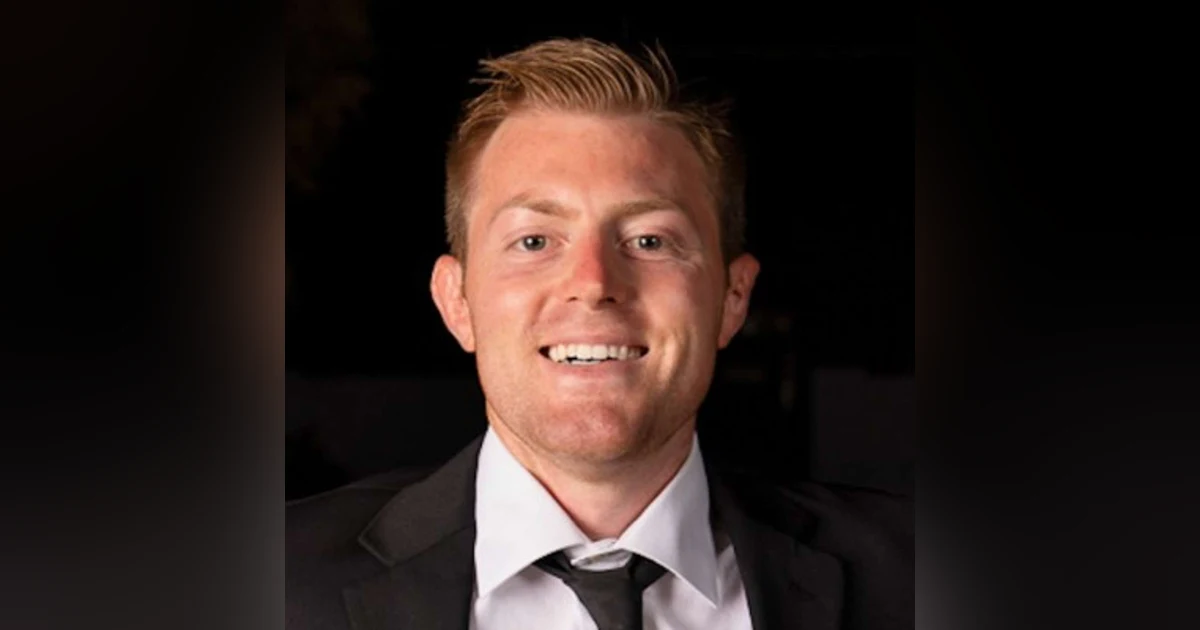


In this episode, I sit down with Anthony Romano, CEO of CREtelligent, to talk about hiring, leading, and retaining great salespeople. Anthony shares what he looks for when evaluating sales candidates, including repeatable success, curiosity, presence, competitiveness, and extreme ownership. He also explains why the best individual contributor is not always the best manager, and what actually signals that a rep may be ready to lead.
We also talk about what makes a great sales organization work behind the scenes. Anthony breaks down why top salespeople need more than a strong comp plan, how companies can retain high performers with enablement, culture, data, and career paths, and why customer loyalty is one of the strongest leading indicators of long-term growth. He also shares one of the biggest lessons he learned in sales: people love to buy, but they hate to be sold. The best sellers ask better questions, diagnose before they prescribe, and disqualify bad deals faster.
TOPICS WE COVER
- What CEOs look for when hiring great salespeople
- Why repeatable success matters more than a good-looking resume
- How to know if a top sales rep is actually ready for sales leadership
- Why great salespeople need enablement, culture, and career growth to stay
- How customer loyalty, NPS, retention, and referrals connect to revenue growth
- Why the best sellers diagnose before they prescribe and disqualify bad deals faster
ABOUT THE GUEST
Anthony Romano is the CEO of CREtelligent, a commercial real estate due diligence company. CREtelligent serves around 1,100 clients across eight verticals. Anthony has spent more than 20 years building and leading sales organizations across real estate, mortgage, data, and financial technology. Before joining CREtelligent, he served as Chief Revenue Officer at First American and EVP of Global Mortgage Solutions at CoreLogic.
LINKS
Connect with me: https://www.linkedin.com/in/carter-armendarez/
Subscribe to the newsletter: https://www.techsaleswithcarter.com/newsletter/
Learn more about CREtelligent: https://www.cretelligent.com/
Carter (00:01.71)
Hey Anthony, give the people a quick intro. Who are you and what do you do?
Anthony Romano (00:06.042)
Yeah, okay. I'm Anthony Romano and and for the last seven and a half years I've been the CEO of a company called CREtelligent, which is a
commercial real estate due diligence company. We've got a a platform called Radius that helps all of the counterparties in a commercial real estate transaction do property identification, property research, order management, workflow, et cetera. We've got about 1,100 clients in eight different verticals and been growing at a crazy pace.
Carter (00:40.438)
You've hired a lot of salespeople across your career. What's the one thing on a resume or in an interview that makes you immediately more interested in a candidate? And what's one thing that is an immediate is an instant pass?
Anthony Romano (00:53.916)
Huh. well, so I'd separate resume and interview. I mean I think on a resume
the the quality of the company that they were with, right? If I know that organization and it's an organization that's been growing and doing well, and on that resume they've got like a history of really repeatable you know, success that they've been able to memorialize on a resume. I think resumes are tough. I mean it's a good screening tool. The interview is really where you know you can start to peel the onion and double click on an individual. If you if you looked at the resume and there was a bunch
Carter (01:15.106)
Mm.
Anthony Romano (01:29.86)
repeatable success, the question that I ask is why and how, right? If you can explain how you were successful in multiple sales roles and what your you know sort of formula for success is that's a little bit of a red flag. I'll also look for competitors and like a lot of the best salespeople that we've ever hired both here and go back to First American and Core Logic, these were guys and gals that were athletes, like college athletes or
Carter (01:35.95)
Mm.
Carter (01:59.031)
Hm, okay.
Anthony Romano (01:59.652)
or semi-pro athletes and that those kind of people that mindset of being super ultra competitive I think translates really well into a a sales world you know for sure and then there's just this notion of and I'll just call it presence it's really hard to teach you just kind of have it or you don't it you could add it could be called charisma you know it could be called curiosity in an interview when people are asking me more questions than I'm asking them that's usually a really positive sign.
about how did you guys do this? Why do you do that? What do you think about this? that's super important. And then just the last I'd say is sort of this notion of extreme ownership. Like sale, you're particularly a big enterprise sales, you're you own it, right? You're responsible. You got a lot of stakeholders on your team. and you're likely just like in you know a competitor, you're going to fail a lot. And being able just to own it and be comfortable, you know, getting knocked down and getting back up. Those are
Carter (02:53.485)
Mm-hmm.
Anthony Romano (02:59.546)
Those are traits that we certainly you know certainly would look for.
Carter (03:03.775)
Are there certain things you ask or those things become clear pretty quick over a zoom or over a call?
Anthony Romano (03:10.256)
You know, we've really worked hard on our, you know, sort of interviewing sort of the questions we ask and the feedback we're looking for. And a lot of it is describe for me, you know, type of questions to really get underneath, you know, what they do and how they do it.
Carter (03:27.265)
And then you said you like to see a company that you know or aware of. If somebody comes in and they'd work for some startup that you're maybe not super familiar with, is that a big red flag? Or if they have these other things, then those people sometimes can squeak by? Or is it usually you only hire from these companies that you know?
Anthony Romano (03:42.704)
No, yeah. No, I think I think the only thing I'd say if mobile if you were at, you know, Salesforce for multiple years and you crushed quota and closed a bunch of accounts and continued to grow and and that's a that's a really cool sign. you might have been at a company that that I don't hear of and and have done that and you you probably from a resume standpoint get by. you know, but we're in if you think about the real estate ecosystem, right? Commercial and resi, there's a whole bunch of providers out there. There's a couple dozen that.
that are killer. And if you were there and successful that that gives me really high confidence that you probably you know could translate to a a company like CREtelligent.
Carter (04:22.347)
You've promoted people from individual contributor to management. What do you look for in a rep that tells you they're ready to lead versus someone who's has great sales skills but would probably be a bad manager?
Anthony Romano (04:36.166)
Yeah, and I look, I've made r really successful transitions there and then I've blown it. Like I've taken guys that really were, you know, if you look at the old sale adage of Rainmaker, these were people that were incredible salespeople. And these are consultative sales cycles, long sales cycles often. gotta manage again a lot of stakeholders, group do a great job working with the client. And they were awesome there. And I thought that would translate to the ability to lead and coach, and it doesn't all the time.
Carter (04:47.917)
Mm.
Anthony Romano (05:06.1)
So you think about not just, hey, you you were able to beat your target or crush a quota, but do you have a repeatable process and a sale, are you a system and process thinker? Because that you have to be able to translate that to not just kind of one-on-one coaching, but if you're gonna go into sales leadership and ultimately become a chief revenue officer, you might manage 15, 20, 30, 40 people. And so that notion of you know being a great coach.
is is super important, not just on your own deal. The other is in today's world with you know where CRMs are and where data is, there's lots of information that's available. If you're an individual that can translate information into insights and then action for your team, help them understand you know sort of patterns and signals at clients, ordering patterns, workflow patterns, close ratio patterns, like that's a really good sign that you could
do well you know in a leadership position and then i I mean maybe the most important of it if you're gonna be in leadership leadership requires followership in other words are you somebody who people will follow and if you were just the great sales guy or gal that doesn't always translate into I'm gonna run an apartment because if you think about GTM most chief revenue officers are not just managing the salespeople they're managing the CSMs and the SDRs
and sometimes the marketing team, right? It's a big it's a bigger role. So can you lead an organization and get people to follow you? I think that's the most important trait.
Carter (06:36.353)
Mm-hmm.
Carter (06:46.583)
Prop Tech is a small world and good salespeople have options. How do you keep your best people from leaving?
Anthony Romano (06:54.374)
You know, I don't think it's unique to to sort of PropTech. the the stuff that we've done in the in the past, and I say we because a lot of this leadership team has is sort of followed me where we're where we are today.
Salespeople like earnings. And so having a really strong, you know, kind of variable-based total rewards and compensation plan that doesn't have caps, right? These people like to go out and really make a lot of money. And you love people like that. I think that's super, super important. I think also being able to surround the team, and these are things I that we're doing, you know, here at CREtelligent, surround the team with really good sales enablement, really good marketing, really good SDR.
Carter (07:23.767)
Yeah.
Anthony Romano (07:38.582)
team really good product teams because again in a consultative sales environment you're not it's not a you know one one horse race so to speak you gotta have a lot of people that are working for you and supporting what you're doing so we do a good job of that you know here at CREtelligent just general culture culture and ethos you know work hard play hard like salespeople don't like to be micromanaged and so to be able to produce you know weekly and monthly
Reports and signals so that people can manage themselves as opposed to being micromanaged, right? You hear in sales, you know, focus on the results, not the activity. Well, if the results aren't there, you got to have something to go back to to say why is one person succeeding versus the other? And often, you know, the activity and and the process is part of it. So being able to serve up to you know people that are real adults in the sales world and want to succeed, give them the data to be able to manage.
Is important. And then the last, I'd say, is you know, career opportunities and growth opportunities. To your point earlier, an individual sales rep, you know, for multiple years might do a good job. They also, I have found that translates into business development, right? So working with partners and channel and distribution. Great sales reps do a good job there. That often is a you know career advancement. they also are one of the best sales reps we had here. I moved him into an MA, we're doing a bunch of tuck-in acquisitions.
He was amazing at it to help us go find and negotiate, you know, deals with companies that we wanted to do roll-ups and acquisitions with. So and then off obviously into sales leadership roles. So being able to give people a, hey, over the next 12, 24, 36 months, here's the opportunity for you beyond an individual contributor. A lot of people are go-getters and they love that.
Carter (09:09.293)
Mm-hmm.
Carter (09:32.555)
You know, I heard you on this other podcast, you were talking about NPS and you guys focus a lot on that. What's the does that come into play here? What's the deal with that? I really don't know. Like I'm sure we had at Rocket Mortgage surveys like that, but I don't really remember that coming into play so much. So yeah, how does that come into play here a lot?
Anthony Romano (09:50.81)
Yeah, I mean I think if you go back to the genesis of of NPS and for the audience n NPS's net promoter. it was it was done by a guy named Fred Reichheld at Bain and he looked at customer sat and customer satisfaction was all the rage. But a satisfied customer isn't gonna recommend others, isn't gonna be a repeat purchaser in all cases. What he was looking for was customer loyalty and he broke down what the elements of loyalty look like. and so back in the day at Core Logic we we
We adopted NPS and it's pervasive. There's thousands of companies that use it. it is the best leading indicator for your ability to get referrals, to retain customers, to have some elasticity on pricing, right? You can normally, if you're if you have a high NPS, customers might be willing to pay more. It's certainly an indicator of if you misstep, you get a pass often with these kind of clients, right? So it's one good really good leading indicator.
Of if you think about gross revenue retention and net revenue retention, those are metrics that investors and private equity look at. It's a really good leading indicator. And so we do it twice a year with all of our customers, all of our users of our platform to get the feedback. The last one we did, 64% of the surveys had comments. And so it's great to hear people say, We love your platform, we love your data, we love your service. I love that all day long. More importantly, are folks saying,
Hey, why don't you do this? What if you added that? I've got to get out of your platform to go get this information. What if you know so that drives our roadmap you know, pretty substantially at CREtelligent. So yeah, so we love the concept of you know of net promoter and customer loyalty.
Carter (11:39.191)
Looking back across twenty plus years of building and leading sales teams, what's the biggest lesson you wish you had learned earlier?
Anthony Romano (11:46.898)
yeah, and I came right out of the gate, you know, out of college, gung ho to sell. What I wish I'd have learned earlier is people love to buy. They hate to be sold.
Right. So you can have all this premature elaboration and your pitch down and it's really selling is about the Socratic method. It's being an expert at asking questions and having a really good line of questioning because what your job is to diagnose before you prescribe. Right? You don't walk into the doctor and say, my you know, my head hurts, and he writes your prescription. He's gonna ask you a bunch of questions.
To unpack what's going on. That's true in sales, you know, maybe in more than any other industry, is understanding you know the journey of the buyer, what they're doing today, how it works today, and being able to contrast that with whatever your solution is. And the only way to really do that is start with you know a really strong line of questioning. So I I I was a I oversold early in my career and I had to learn this on the way. the other thing I would say is I would.
I wish I would have learned to disqualify faster, right? And in my first you know software sales, these were million-dollar software packages, I think I worked on 14 or 15 deals in my first year and won one of them.
and and literally was traveling across the country at 70,000 miles a year. It was just nuts. and what I w realized was there were four or five of those deals we should have never been in. And so I worked real hard on that. A year later, worked on nine deals. We closed eight of them. And but it was with more specificity, it was with more focus and we disqualified a lot more. because as a sales guy, you want to run after everything. That's not always the best the best thing to do.
Carter (13:41.207)
Yeah.
Carter (13:45.025)
How do you go about disqualifying them? Like what things are you looking for to say these people are gonna be worth my time or these people are not going to be so much worth my time?
Anthony Romano (13:52.924)
Yeah, I mean, if you go through the normal, you know, are you the right person? Do you have the right authority? Do you have the right budget? Those are those are general things. But really, is it do can you understand what they're doing today and overlay your solution and sh be able to demonstrably prove that they can save money, make more money, be more efficient. Like that's exciting. If you're if you're not sure of that, then the c it's gonna be hard for the client to absorb that, right? If particularly when you're talking about
Carter (14:22.465)
Mm.
Anthony Romano (14:22.868)
something that is is fairly expensive, there has to be a really clear ROI and massive benefits, right? You can grow your revenue by 30% without adding another FTE. That's really exciting at you know clients like CREtelligent. That's what they experience. You don't have to add a bunch of people because we've got a platform to help you do it. If that's not, if you can't prove that ROI and justify that to the client, man you got to move on. As much as you know the client even still wants to talk, you got to move on because you're not going to get a deal.
Carter (14:54.081)
That makes sense. It seems like you've chosen your opportunities really well. You started, like you're saying, you started right off the gate selling. You sold CustomerLink to Intuit. You helped sell Core Logic to First American. Now you're CEO of CREtelligent. When you're evaluating your next company or opportunity, what things are you looking for to say, okay, I'm gonna spend years of my life at this place?
Anthony Romano (15:17.414)
Well, thank you for the compliment. And I mean I was super fortunate to be around a lot of really great people that helped in the in that process. you know, I think if you're anybody looking at a company, you sort of gotta think about the market first. And if you look at why a lot of these startups either they fail or they don't you know they they don't realize the full potential, a lot of it is the size of the market. If you're in a available market that's
you know, eight to ten million dollars and you think you want to go build a multi-million dollar company, it's really tough, right? The market that CREtelligent is in today is a three and a half to a four billion dollar market. So you don't need to go get fifteen and twenty and thirty percent market share to be a wildly successful company. So I would say first the you know the market. product market fit you hear that all the time from VCs and and investors, you know, to to going back to the whole line of questioning, have you been able to prove that your product
brings great utility and value to the client. because because if that if it doesn't, while you can go work on stuff, look, I don't care how good of a sales guy you are, it's really challenging, right? It's super challenging. I think the looking at a company's metrics around, you know, you said you mentioned NPS. NPS drives that gross revenue retention and net revenue retention. If you can't prove that you can keep customers and they continue to get utility and more value and you got to keep adding new
you know, new clients, that becomes you know sort of a red flag for me when I'm I'm looking at a a company. And that the b certainly the ability to expand gross margins. the you know salespeople think a lot in revenue and sales, but margin profile drives the business. And so the ability to find you know the levers in the business, whether that's price or cogs, to drive margin profile up is is super important. and then at the end of the day, and and I learned this the best I think at first American, it was
Carter (17:00.973)
Mm.
Anthony Romano (17:17.044)
Was all about people first. And those people at the front of the line weren't necessarily the investor or the shareholder, it was the employee.
Do an amazing job taking care of people, making it a great place to work. Then they sort of will take a bullet for the client, and that's the next people, right? And that client will feel that and then they'll spend more money with you and allow you to increase prices and give your referrals. And then your financials look great and the investor wins. So a company whose culture and ethos isn't around the employee, who just wants to talk about financial metrics, I joke with you, right? The whole money and numbers follow, they don't lead.
Right. If your strategy is I want to build a $50 million company with 20% EBITDA, I would tell you that's not a strategy. That's the result of a great strategy that starts with people.
Carter (17:56.225)
Yeah.
Carter (18:08.691)
And when you're saying market, do you I know you said look at markets that are big enough to where you can do something there. Is part of it a market where money's flowing in? Like for example, real estate now I'm sure is a lot tougher than it's ever been, or does that not factor in as much?
Anthony Romano (18:24.71)
Yeah, I mean, I think the external you know, environment in an industry, so real estate, you know, that you that that that you're in on the resi side and we're in on the commercial side. when Jay Powell went straight vertical with rates, right, and we we had eighteen months of going from zero interest rate post COVID to, you know, Fed funds rate and the tenure being in the
four, fives, and sixes, that slowed transaction volumes across the board. The last twelve months, I think, at least when I look at the market, and it's de definitely we spent a lot of time in this, ten year treasury drives long-term mortgage rates. I think what people needed to see was a line of sight, right? They needed to understand because cap rates and NOIs pencil at this interest rate if you get the right value on the property. Right. And there's been $130 billion in the last 12 months raised to deploy in commercial real estate. So a lot of these
And large funds and owner operators, et cetera. I think there's still, I mean, we're seeing our business is up almost 50% year over year, right? In a market whose interest rate doesn't provide a big tailwind for us, but there's lots of interesting asset classes that are that are taking off right now. And so yeah, I think you have to look at you know those external factors that impact your industry as well.
Carter (19:41.843)
And then just as some final thoughts, do you have any piece of advice for someone maybe early in their sales career that wants to be eventually in a seat like yours down the line?
Anthony Romano (19:53.648)
Yeah
I'd say and and it doesn't happen day one, but as you're getting into that role and you're successful, you know, widen the aperture beyond the sales department in the company that you're in. Understand, you know, what marketing does, what product does, what operations does, you know, what finance kind of widen the aperture. If you're gonna move into even a sales leadership role, forget just a CEO. You gotta work with all the stakeholders, leaders of those other functional areas in the business. So really understanding the day and the
life of each of the functional areas is super important. understand where the puck's going in the industry that you play for sure. AI is a big disruptor right now.
across every industry. I don't think anybody's immune. We have some protection in our business when you think about things like appraisals and environmental assessments and property condition assessments and altas surveys. You need a human on site, so there's a human in the loop. We use AI to do a lot of that stuff, but looks the site recon's still done by a human, so you get some protection. But know in your industry how disrupted data analytics, AI, technology can be.
and then maybe the best advice and I had it you know pretty early which was great, you gotta be able to in this seat, if you can't dissect a P&L and a cash flow statement, you're in trouble. 'Cause finance is the language of business and it doesn't stop at
Anthony Romano (21:17.99)
the revenue line. There's all right, there's cogs below it, there's operating expenses below it, there's EBITDA, there's net income. Really understanding the financials and what drive the activity that you do that drives and impacts the financials.
you know, super, super important. And then maybe just the last thing would be, and you find this out as a leader, people really don't care how much you know until they know how much you care. So so like if you're leading an organization and people, you gotta you gotta get in the weeds and understand what their nine square feet of the world, what they're all about, what matters to them outside of the organization. We talk about wellness and balance and you know, a lot of stuff like that at
At CREtelligent, that's because this is an at-will employment. You don't have to work here, right? You can work anywhere you want. We want to create a culture and ethos where people want to be. They want to have their fingerprints on you know changing an industry and make an impact, but they also need to like the you know eight, nine, ten hours a day that they work and the people they do it with. So you gotta let people know that they matter and they matter beyond, again, just the financial impact to the business.
Carter (22:30.593)
Okay, well perfect. I think we got some good stuff here. I'll end it here.
Anthony Romano (22:34.866)
All right, thank you, Carter.


