What Every AE Gets Wrong About Customer Success | Alexis Cisneros (Matey AI)
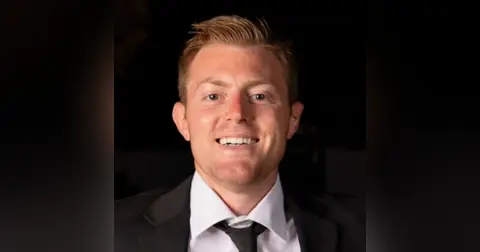



In this episode, I sit down with Alexis Cisneros, Vice President of Client Success at Matey AI, to talk about what happens after the deal closes, how customer churn can start during discovery, and why sales and customer success teams need to work together long before implementation begins. Alexis shares why delayed onboarding is often an early warning sign, how AEs can prevent churn by identifying real champions and power users, and why rigorous qualification matters before a customer ever reaches the post-sale team.
We also talk about selling AI into legal teams, where trust, security, and expectation-setting are critical. Alexis explains why reps should never promise that AI can “do magic,” how Matey AI builds trust with litigators, firms, and government offices, and why the best customer champions are the ones who refer, expand, and bring their colleagues into the product. She also shares why “the deal is never done” and why CS teams are always selling through renewals, expansions, referrals, and stronger client relationships.
TOPICS WE COVER
- Why churn can start during discovery before the customer ever reaches onboarding
- How delayed implementation can reveal weak urgency, weak champions, or poor qualification
- What AEs should avoid promising during the sales cycle, especially with AI products
- How Matey AI builds trust with legal teams handling sensitive case information
- What great customer champions look like after the sale
- Why the deal is never really done after the contract is signed
ABOUT THE GUEST
Alexis Cisneros is the Vice President of Client Success at Matey AI, an AI-native eDiscovery case intelligence platform that helps legal teams analyze, organize, review, and investigate digital discovery. Before Matey AI, Alexis was the Director of Customer Success at Dealerware.
LINKS
Connect with me: https://www.linkedin.com/in/carter-armendarez/
Subscribe to the newsletter: https://www.techsaleswithcarter.com/newsletter/
Learn more about Matey AI: https://www.matey.ai/
Carter (00:00.9)
Hey Alexis, give the people a quick intro. Who are you and what do you do?
Alexis Cisneros (00:05.678)
Hi Carter, thank you so much for having me here. My name is Alexis Cisneros. I am the VP of Client Success at Matey AI. We are an AI native eDiscovery case intelligence platform. So I have the privilege of helping legal teams analyze, organize, review, investigate all of the digital discovery that they receive in their cases and help them prepare for better outcomes for their clients.
Carter (00:33.016)
You sit on the other side of the handoff after a deal closes. What are the early warning signs that a customer may churn? And then what could the AE have done during the sale cycle to prevent that?
Alexis Cisneros (00:45.134)
That is such a great question and a green flag when any AE asks me that, that I work with. So this is a shout out for Reed and Andy Kalt. I feel really, I am emphatic about radical disqualification. I believe that churn can start in discovery. And so one of the earliest signals that I receive is like, you know, and I think this falls for the current
Carter (00:50.652)
Yeah.
Alexis Cisneros (01:15.162)
company that I'm working with but even in my past lives if onboarding has any indication of like delay or lag If there isn't a really natural sense of urgency whether that's from excitement or you know the deliverable that we're going to help them drive that's usually a pretty good indicator for me that we haven't done a super great job of recognizing the champion that's responsible for the ROI of the tool internally or
really identifying who are going to be our power users, like our practitioners here who can help us start implementation. So that's number one, think. Really focusing in on discovery and understanding the full spectrum of the personas that are involved in the deal after post-sale. And then also doing a really great job, even at the BDR level, of qualifying very rigorously so that by the time that they get to us,
They're really excited to get started and we're really diving in right away.
Carter (02:19.004)
That makes sense. you're saying it's pretty obvious. Like if people are dragging their feet, then that's pretty clear. There could be issues in the future.
Alexis Cisneros (02:24.884)
Yes, I create a ton of rhythm with my sales team today where if I don't see any tangible movement two days after a signature execution, like we're talking about it. And so I think that's also a really important thing that I try to do as well as creating pods or, you know, kind of these accountability teams across between sales and CS so that there are some like natural rhythms of communication. We're catching these things way
sooner than, know, a week has passed by or two weeks has passed by and this really important account still hasn't responded to what they need to set up. It's like that to me is, you you've already missed the train in that scenario.
Carter (03:10.758)
what's something reps promise during the sale cycle that makes your job really tough after the close? And what should they be doing instead of that?
Alexis Cisneros (03:18.304)
Yeah, yeah, totally. One of my favorite CROs, now CEOs, used to tell me whenever I decided to do CS or move into CS leadership, know, there's promise makers and promise keepers. And so staying in touch with promise makers is really important in this new world of working at an AI native company.
The number one thing I see in my 3D today is not promising that the AI can do magic. You know, making sure that there's having a very decent enough understanding of the product and some of the technical basis to clearly set expectations with any of our clients so that when we are beginning implementation and really gearing to like, are the outcomes that we're driving together? There's already a clear understanding that we're capable of doing so.
If I am in a position where I have to right size the expectations of what the product does, that's a really tough place to start. The other that's really important to me is all around timelines. mean, just like any other relationship, it's like, is there anything time sensitive that you are drumming up against? I personally love clients that have a sense of urgency or tight timelines because I think that...
drives a lot of engagement really early in the handoff. That trust process has to get a lot quicker, you know, a lot faster. But if you are promising timelines without consulting the people that are responsible for implementation, that can be really hard too. So I ask all of my salespeople to just keep me in the loop. There is nothing wrong with saying that you need to consult people before you can promise to a deliverable. I always want to...
under Promise Over Deliver. And so that's a really great way for an AE, I think, to manage those situations instead. Get all of the information that you can and loop in, whether that's your CSM or CSM leadership, implementation team, like whatever that looks like, even solutions architects, to start consulting a little bit earlier in the deal. I think that's a win-win for everybody.
Carter (05:24.164)
Yeah. And I wanted to talk about that first thing that you said, we're not promising them that the AI can do magic. Your customers are litigators. They're I'm sure skeptical, busy high stakes people, and they work with a ton of sensitive information. How do you get a buyer like that to trust and adopt an AI tool?
Alexis Cisneros (05:42.07)
Yeah, that's man, million dollar question for all of us. So the first thing that the first thing is that being AI native also means that we are moving at the speed of AI, which anyone who reads all of the headlines, I mean, that's fast. And then also another one of my favorite mentors talked a lot about moving at the speed of trust. And so doing those two things can create a really good amount of friction. So I think that our team has done
an incredible job of instilling that confidence. And it's a team effort. A little bit of it is not a little bit of it. A lot of it is around working with really smart product and engineering, you know, experienced people who have done a ton in the space in some very, very, very secure environments. So that instills a lot of confidence in our client base today. The other element of that is keeping everyone else who's on the go to market teams really
educated on what that means for our different verticals. So for example, I work with civil firms, criminal firms, but I also work with some government offices. And government offices, as you can imagine, have their own procurement processes. I mean, there's some really specific requirements that they have for the tools and the technology that their teams use. And so making sure that we're all super educated in what that world and that landscape looks like is really important.
And so that just means that between the more technical side of the house and the go-to-market side of the house, this is a conversation that we are having, if not weekly, monthly. I mean, it's a constant topic for us. Also, separate from just like we're sock too tight too, there's also the element of rulings. There's a really popular ruling from the Southern District of New York that happened in February of this year that...
changed the way that our clients were thinking about attorney-client privilege and what that meant for their clients that were in chat GPT at night running plays about their case. Don't do that, by the way. I'm not an attorney, but don't do that.
Carter (07:45.73)
Yeah, well, I saw you said that on LinkedIn and I didn't even, yeah, I would never have thought about that.
Alexis Cisneros (07:51.104)
Yeah, that's pretty much the equivalent of putting all of your case information on Google. I mean, or posting it on Facebook. Like you definitely shouldn't do that. Chat GPT is, or you know, some of these, not even just Chat GPT, general purpose AI in general. mean, unless you're using some of these like enterprise leveled accounts that aren't taught to train on your data, or you have the ability to tell it to not do that.
Yeah, you should not ask for a ton of legal advice or put any sensitive information into those tools. And so, Matey AI, you know, in those moments we have clients calling us like, what does this ruling mean for you? It's like, well, now I don't just train the firm, I train their clients. Please do not go into ChatGPT to talk about your case. You have a login in Matey AI. You can now go into Matey AI and you can start asking questions against the discovery in a really airtight container.
So it's things like that where we have kind of evolved our positioning, evolved our technical expertise as a go-to-market team and as an engineering team and leveraging, you know, some of the brilliant minds that we have here internally at Matey, who just have a lot of experience in this space and knows what it takes in order to instill that amount of trust.
Carter (09:01.732)
You said at the very beginning, move at the speed of trust or your mentor told you that. What, I've never heard that. is it? Tell me more about that.
Alexis Cisneros (09:09.454)
Really, that is the idea that internally as a team, I think especially the way that this, especially for sales and CS teams where I believe that every member of a client success team, we're always selling, right? We are always continuing to sell, whether that is upsells, cross sells, renewals, selling ourselves, professional services. mean, that experience for our clients should never end. And so...
Being able to move at the speed of trust means that I have enough trust in my counterparts, in my sales teams, in my product teams, in my engineering teams to move really quickly for my clients. But it's also important that, you know, that's my client trust, their client relationships are so important too, right? They're only gonna move as quickly with me as they trust me to go. So it's just a really, it's, you know, it was really shared as a rule of thumb in terms of like,
You know, I think that it's really natural. The sales and the sales and CS experience, I think is the tale as old as time. There will always be a CS person who has something to say about sales. mean, I see the LinkedIn videos constantly and I think they're hilarious and some of them have some truth to it. And it's like, at the end of the day, we all move at the speed of trust. And so it's a lot less of sales and post sales and a lot more of we're all sales and we're all CS at the same time.
Carter (10:34.564)
make sense. What does a great customer champion look like after the sale and what can an AE do during the sales process to help create that person?
Alexis Cisneros (10:44.718)
telling all their friends. That's my favorite kind of champion. The ones that refer, the ones that buy more products, the ones that upgrade their cases and the ones that tell all of their colleagues. And when that type of word of mouth happens organically, I think that's a really, really great indicator of a champion. I also,
Carter (10:52.72)
Yeah.
Alexis Cisneros (11:08.184)
think that salespeople can do so much in order to create champions. It's not just through the customer experience. think, you know, from the very beginning when we had some of these larger deals that we were working, you know, six month sales cycles, you're having the, you know, in firm or in office conversations, you're talking to each other and any opportunity that we had to also invite friends.
If there are any other firms that you're talking to or in the context of what we're doing, especially on the criminal side, hey, if you are in a joint agreement with any of the co-defendants on this case, we would love to serve them too. There have actually been a fair amount of cases that we've worked where we ended up signing deals with all of the firms who were assigned to that case across multiple co-defendants. Those are just some ways that think an AE or anyone on the sales side can start to...
plant seeds of ways that, you know, not just incentivize people to want to tell their colleagues, but also ways that it's going to be beneficial for them too. You know, if you and all of your friends grab Matey, there are all different ways that we can structure really like a partnership or a relationship around making it mutually beneficial for everybody involved.
Carter (12:27.96)
Is it if they do it like that, are there discounts and other things or not really? They love the product so much. They see it and they're like, yeah, we want to tell our friends about this.
Alexis Cisneros (12:36.576)
Yeah, we offer volume discounts. the way that our pricing is structured is really based off of this compartment model. So you can purchase 20 active compartments at any time. And if you want a couple of those compartments to go to your co-defendants and they're going to split that portion of the bill with you, go for it. So there's different ways. And the more compartments, obviously, that our firms purchase, the greater the volume discount that's assigned to it.
Carter (13:05.102)
If you could get every salesperson to understand one thing about what happens after they close the deal, what would it be?
Alexis Cisneros (13:11.906)
The deal is never done. I think that the most powerful relationships that I have, or the most moment, the most powerful client relationships that I've had are the ones where I am working in tandem with my salesperson constantly. And we leverage each other. You know, there's always more opportunity and meat on the bone. And obviously this is gonna differ depending on.
sales structures and how salespeople are incentivized. Our salespeople are incentivized to continue a relationship for all of the upsell and expansion opportunities, right? And so it is beneficial for both him and I to get some of these firms or public defenders offices or, you know, whatever government offices that we're working on to purchase more compartments. And so just knowing that we also in CS always be selling.
And that deal is never really done just because the signature is executed.
Carter (14:11.876)
Yeah, okay. Well, okay, I think we got some pretty good stuff here. I'll end it here.
Alexis Cisneros (14:17.812)
Awesome.


