How to Be the Best BDR at Your Company | Jim Robertson (CertifID)
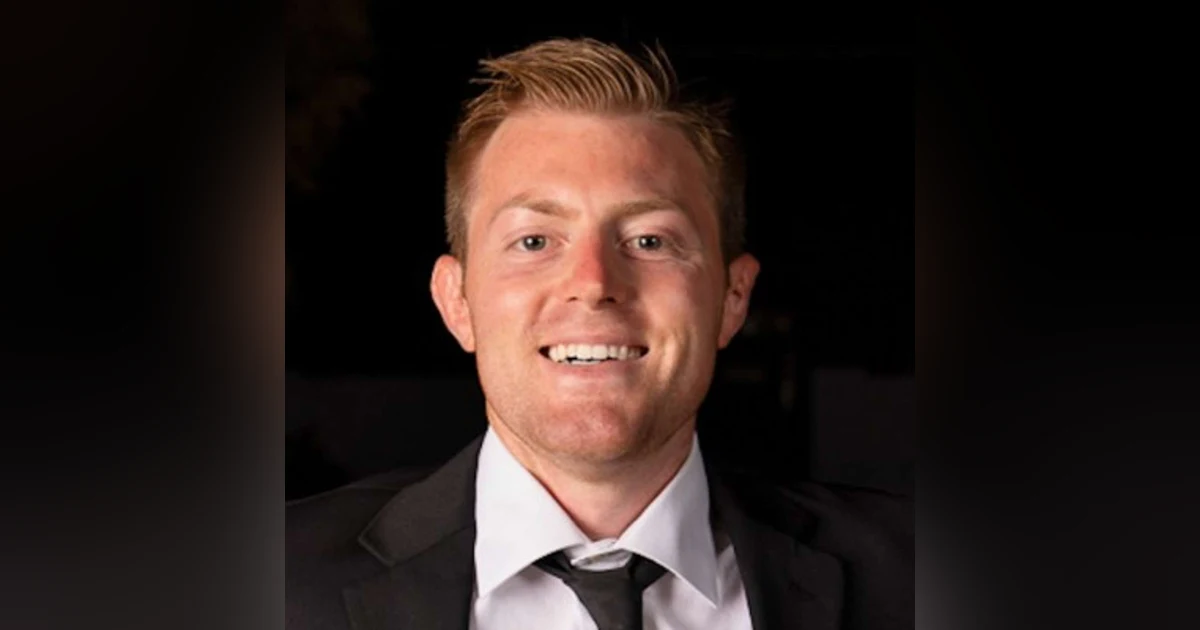


In this episode, I sit down with Jim Robertson, who leads the business development team at CertifID, to break down what separates great BDRs from average ones. Jim shares why the best reps are deeply curious, care about the problem they’re solving, and know how to stay human instead of sounding like they’re reading from a script.
We also talk about what BDR outreach looks like in a vertical SaaS market where prospects often have very little online presence. Jim explains how his team uses events, white papers, direct mail, referrals, fraud signals, and hyper-specific follow-up to create relevant conversations with title and escrow companies. He also shares how AI has changed real estate wire fraud, why CertifID’s BDRs live “in the problem,” and how newer reps can become more effective by listening, asking better questions, and understanding the industry they sell into.
TOPICS WE COVER
- What the best BDRs do differently: active listening, curiosity, and caring about the problem
- Why CertifID’s outreach is built around relevance, timing, and campaign-specific follow-up
- How events, white papers, direct mail, referrals, and fraud signals turn into booked meetings
- Why great BDRs use frameworks instead of scripts and have to “be a human”
- How AI is increasing real estate wire fraud and changing the conversations CertifID has with prospects
- Why BDRs need to love the problem, understand the industry, and stay curious enough to uncover real pain
ABOUT THE GUEST
Jim Robertson leads the business development team at CertifID, a company helping prevent wire fraud in real estate transactions. CertifID works with title agents, escrow companies, and real estate professionals to protect buyers, sellers, and businesses from fraud attempts during high-stakes money movement. Before CertifID, Jim was a Senior Director at Dealerware.
LINKS
Connect with me: https://www.linkedin.com/in/carter-armendarez/
Subscribe to the newsletter: https://www.techsaleswithcarter.com/newsletter/
Learn more about CertifID: https://www.certifid.com/
Carter (00:19.923)
Well, hey, Jim, give the people a quick intro. Who are you and what do you do?
Jim Robertson (00:25.324)
Yeah, my name is Jim Robertson. I currently work for CertifID. I lead our business development team. We are solving wire fraud in real estate, which if you've never bought a home before, it is a scary process that people go through once and there's a shocking amount of bad actors out there in the world that are trying to take your life savings as you try and move money either for a down payment or whenever you're selling a home and trying to get proceeds from the title company or escrow. So we talk with title agents and we fix that problem.
Carter (00:53.105)
Excellent. And you were saying you manage a team of BDRs. What are the best BDRs do that the average ones don't? Like what actions do they take that really separates them?
Jim Robertson (01:02.476)
Yeah, I think there's two things that make a great BDR. The first is they listen well. And we talk about active listening. I call it curiosity. It's really understanding and empathizing with the person on the other side of the phone or on the other side of the computer monitor if you're trying to go outbound via email or via LinkedIn. They listen, they understand, and they take the conversation where the prospect wants to go. The other thing is they care about the problem. They love discussing, understanding.
Hearing about all the little niches within niches understanding how people are trying to solve the problem where their pain points are They love living in that discussion. I think those are the two things that separate, you good BDRs from average BDRs
Carter (01:43.505)
Okay, that makes a lot of sense. When a BDR is booking meetings, what usually makes outreach feel generic and what messaging gets a response? What messaging is working for your team right now?
Jim Robertson (01:55.032)
For us, it's being hyper-specific to the campaign type. We have a lot of different go-to-market strategies. We're following up on white paper content downloads. We're sending out some of those white papers in the form of direct mail. We go to a lot of events. I have to credit our marketing team. They are all over the place. And so if you don't match your outreach to the person you're speaking with and the type of campaign you're following up on,
you're going to fall flat. And I think it's challenging and it really depends industry by industry. In the industry we're in, most of our prospects don't have a big online presence. So the idea of like, we'll go to someone's LinkedIn, you use AI to search, find some information. Maybe you can go on their Facebook and see that they love to go fishing or they're, a stamp collector, whatever it may be. That does not happen in our industry. We are selling to a group of people that have a minimal online presence. And so, you know,
I think it's the right way to go, but in reality, we have no other choice. It's all about relevance and timing. We want to hit them with a message that is relevant to the event they just attended, to the action they just took. And we want to strike up a conversation. And so you can do that either with something that is super insightful, something that is super specific to their location, to the people they know, to other people that attended the event. Everything we do is hyper relevant to that specific campaign. And that's where things are landing.
You know, the best BDRs are able to pivot quickly if that's not the message that is landing. You know, if we get on a cold call and it's like, well, I actually wasn't at the event. man, we'd love to tell you about what you missed. Or hey, here's some of the takeaways that, you know, I'm having these conversations. Let me tell you what your peers are doing in response to this new information.
Carter (03:29.736)
Yeah.
Carter (03:37.626)
Okay. Interesting. So a lot of this is outreach is after they go to this, these events.
Jim Robertson (03:42.668)
Yeah, they really need to take some action. do some, I'll say, like true cold outreach where we're looking at signals in market. We are a fraud prevention platform. So inevitably, fraud pops up on the local news. We hear about things that are happening. Our team is also, it's a great story. If we stop a fraud, we can take some of that information and say, hey, there are things that are happening in your market. Would you like to know about how we are doing this? We work with several companies around you.
Do you want to know what your peers are doing? Do you want to see what the cutting edge of fraud is? And, know, fortunately, like, there's a bit of like the, you know, true crime attraction to fraud prevention, where it's like, man, like, this is happening. How is this? How is this happening? And we are also fortunate to live in a time where AI is enabling all of these frauds to happen at scale that we're able to come in and be the
be the, I guess, like authority in the space. know, we are the leading figure on security in the real estate industry. And so we're able to leverage that message to then have these conversations.
Carter (04:49.628)
You I'm curious, you said you guys do mail, you guys do the events. What percentage leads, like what thing leads to the most booked meetings? Is it mail, is it email? What is usually the biggest one?
Jim Robertson (05:04.151)
You know, it's interesting how you track attribution for BDRs because I tried to push my team with a bias to action. So if you go back and look at the metrics, phone calls book more meetings than anything else. However, if you're looking at a last touch attribution model, you get an email and somebody comes back and says, hey, interesting, what are you doing about this? First thing BDR does is pick up the call, pick up the phone call, right? So everything that we do, looks like phone calls or booking meetings.
But in terms of like what channel, let's see events, direct mail, web engagement, you know, I think events where we have a speaking session or where we're able to get in front of people, that is probably our best lead source. And that usually comes by our marketing team and our partnership team laying the groundwork to say, hey, these guys are the authority. They've put out the white papers that are showing you what is happening with fraud and real estate. And so we can leverage that, get in front of an audience.
And then it goes back to what I said earlier with that hyper specific follow up. Hey, if you were in the room, you saw us walk through how AI spoofing, you can do it with $20 and half an hour of your time and you can make yourself look and sound like whoever you want. And that's a very scary thing.
Carter (06:14.834)
That is great. You know, not to go too off the rails, but I was just curious with the people doing fraud, do they ever get in trouble? Like I know you stop them, but has anything bad ever happened or it's kind of like you stop them and then there's not a lot you can do.
Jim Robertson (06:27.265)
Yeah, I mean, this is a multi-billion dollar problem nationwide. And we live in a piece of that, which is real estate. We stopped 1,000 frauds last year. That sounds like a lot, but that's just a small piece of what's coming through. And the reality is, we work very closely with law enforcement. If we have information, if a fraud has happened, we have a team that can step in afterwards and try and recover funds. But it's always easier to try to prevent fraud as opposed to chasing down the money afterwards.
Most of the fraud that is happening in real estate is perpetrated by organized crime and it's organized crime outside of the United States. So they are trying to come in, impersonate someone in the transaction, and then once they have that money, they are trying to move it out of the U.S. banking system as quickly as possible. And depending on the amount of money, it can take a couple of days. And so if we're able to either identify that, this person is not Carter, they do not actually own this home that they are trying to sell in Phoenix, Arizona, you know,
Carter (07:03.612)
Got it.
Jim Robertson (07:25.921)
then we can flag that early and the transaction never happens. Sometimes someone's able to get all the way through. We get a phone call and we're trying to work with the US Secret Service to freeze funds and get that money back to the victims.
Carter (07:39.152)
Okay, that's intense.
Jim Robertson (07:41.422)
Yeah, it's very interesting and what we've seen with AI, I'll throw out the crazy stats that the BDR is using, we've seen a 1700 % increase in business email compromise since AI tools were released in 2022. So what this is doing, if you think there's someone in Nigeria, Vietnam, Myanmar, Russia, North Korea, they don't have to speak English, they don't have to be super computer literate, these AI tools are enabling fraud to happen at scale. And so that...
That's the problem that I love talking about. It's wild what is out there. And it used to be, hey, if the email is mistyped, if it's poor spelling, it doesn't really sound like how someone would talk. Hey, that's an easy flag. That has completely gone out the window. Everybody writes a perfect email now.
Carter (08:23.046)
Right, then that's a dead giveaway, yeah.
Carter (08:28.552)
Crazy. You know, on LinkedIn, you mentioned wanting a BDR. You had this job post. You wanted a BDR who can mix hustle with humor and persistence with personality. How important is that for the team dynamic and how do you filter for that?
Jim Robertson (08:42.833)
you know, I mean, ultimately it comes down to like hustle with humor. You've got to work hard to be a successful BDR. You've got to do the work. You've got to put in the calls. There is a grind aspect to this job where you have to show up with the same intensity, curiosity, and preparedness that you're bringing on call number one and call number 100. and so, you know, I like to work through that with humor. You know, this is a job where you get told, no,
Carter (08:49.202)
Right
Jim Robertson (09:09.421)
15 times before you get a commitment or you may leave seven voicemails in a row and then you have to show up and be perfectly ready on the next one as if it's your first call. So there's an element of like working through the grind and having the right mix of optimism and just you know good-heartedness to get through that. In terms of like persistence with personality it goes back to that same grind. You have to be a human. You can't be a robot. You can't be an automaton reading from the script. One thing that I really instill in my team is
Carter (09:37.276)
Yeah.
Jim Robertson (09:39.181)
You know, we talk a lot about frameworks and not scripts so we don't write, you know Every single word out that they're gonna say it's hey look you're gonna start with the permission based opener You're gonna ask if it's okay to continue the conversation then you're going to jump into a problem statement Hey, we're seeing a 1700 % increase in AI fraud. Then you're gonna jump into like a neutral statement Hey, have you guys seen any examples of you know fraud recently? Have you guys caught any frauds? How are you guys managing this?
Carter (09:43.302)
Okay.
Jim Robertson (10:06.125)
without making it so onerous for your team to have to investigate everything that comes across your desk. So we want to go into that kind of neutral statement and then we'll come in with a promise or an offer of value of, hey, if you meet with us, we can show you how we stop fraud and we can show you how we do it with less work from your team.
Carter (10:23.034)
Okay. And then after that, you're trying to get them to a demo to an AE is the usual way it goes.
Jim Robertson (10:27.085)
Yeah, so our process, we're out there, we're, know, if you think like BDR to CS, you have like problem, living in the problem all the way to the solution, like CS lives almost entirely in the solution. They're explaining how the platform works, what all the benefits are, trying to increase adoption. AEs are that pivot point where you go from, you have a problem, you have pain, we're gonna take you into the solution. BDRs are all in on the problem. So like we're talking with people about, you know, hey, how...
How has your workflow changed? How hard is this for your team? How many phone calls are you having to make to verify the information you get? if you make that phone call, do you really trust the person on the other side of the phone is who they say they are? How do you verify that? So we're living in problem world. We're taking that to an AE who is going from problem to solution and then passing that on to a CSM and an account manager who's going to continue to make sure that that account is fully using the platform because you have the best fraud prevention system in the world. You know, it's like, if you don't lock your doors,
What's point of having door locks? We want to make sure that full adoption is taking place and taking place quickly. Did that answer your question? I feel like I went through a bigger, broader journey, but making sure that we covered it.
Carter (11:29.8)
When you coach, no, no, that was perfect. That did answer my question. When you coach newer reps, what's one mistake you find yourself correcting over and over again?
Jim Robertson (11:44.653)
I'll kind of go back to the previous answer here. You've got to be a human. If you're reading from a script and you're not actively listening to what's happening on the other side of the line, then it's pretty easy. You've got a bad salesperson on the line or you even sound like someone who's calling you and it's a scam call. We all get those calls, unknown number, but you're expecting a call from your kid's daycare. You're expecting a call from...
Carter (12:09.74)
Right.
Jim Robertson (12:10.764)
The auto shop, hey wait, this is local number I just dropped my car off, maybe it's ready, let me pick it up. And the person on the other end of the line, they're not confident, they don't know what they're talking about, they're saying something that's completely irrelevant, it sounds like they're reading from a script, immediately red flags go up, you hang up the call right away. We don't really get hung up on because we're pretty good at coming in and saying, hey, you were just an event, hey, you just downloaded a white paper, I'm following up on a webinar, I'm calling because I got an introduction from a referral.
Carter (12:32.327)
Right.
Jim Robertson (12:38.748)
So you establish some credibility right away, but you have to be a human and you know the mistakes we see are sticking to the script too much trying to read and then being assumptive and so in many cases You know you're calling someone and actually that person left the company three months ago You have to be able to think on your feet and move. no that person's out of the office Okay. Well, I've got someone on the call, you know, I want to continue this conversation Is there someone else I could speak to you and then having kind of the you know use a football term here, but like
have the check downs. know, whenever you're doing the research, it's him calling this person out of the office. is this other person here? They seem like someone I would want to talk to or hey, look, here's the problem I'm trying to solve. I'm looking to see who does the verifications before you guys send money. Who's authorizing the wires? And people generally, you know, if you're kind, if you sound like you care and you're being reasonably, you know,
active in the conversation, you build that little bit of rapport, they're willing to help you. They want to direct you to the right person. So, you know, that's kind of where I would say like mistakes are happening is whenever you're assuming like, this person, they surely they must use this other solution. They must be solving the problem in this way. You really have to go in with an open mind. And I think it's a, you know, I've probably shown my team the Ted Lasso be curious clip where they're playing darts out of your Ted Lasso fan. But yeah.
Carter (13:57.509)
Yeah, I have seen that, yeah.
Jim Robertson (13:59.209)
It's you have to go in, you can't have assumptions. You can't think, yes, this person is using a competitor. they have a solution in place. they're, you know, they've got this problem solved in a different way. You really have to go in and be curious, ask the questions and then understand where they are and steer the conversation towards, okay, well, what are the pain points that I can use where I can insert certified as a solution to help them? What is it? You know, maybe they think they have, we have a solution in place for fraud. Okay, they feel confident there.
How do I listen and drive the conversation towards, okay, well, what's the true cost of their current solution? Because the manual process, paying a human to have to go through all of those steps is actually gonna be more expensive than a technology solution, and usually nowhere near as safe. And so that's where we see early reps, they come in, they have an idea of what sales is. BDR is often an early career job. They come in, they think they know what it is, and they just run with it.
Carter (14:50.728)
Right, right.
Jim Robertson (14:54.196)
And they're following the script. They're, they're assuming that every value prop lands every single time, the way we talk about it in training and reality is, you've got to stick with the framework, ask the right questions, be engaging, be human. know, humor sometimes helps to get over that initial, hey, let's get the conversation started. Like I'm interrupting your day. So, you know, we have to be engaging and we have to be interesting. We have to give them either it's a pattern interrupt or an insight that makes them want to continue the conversation.
And so I think the BDRs that come in, either pitch too early or they're making assumptions about what the prospect needs without asking the questions to fully understand what is this person, like what is the challenge in their business? What are their priorities?
Carter (15:39.364)
If someone listening wanted to become the type of BDR you'd want on your team, what would you tell them to start doing this week?
Jim Robertson (15:47.501)
you know, if you want to be a BDR on my team, you have to love the problem we're trying to solve and whether that's fraud, whether that's loving the real estate industry, you know, otherwise you need to go and think about the problems that you like solving or the discussions that you like to have, because you're going to have that same discussion over and over and over. And it's a little bit different every time, but you've got to feel comfortable being in that, craftsman mindset. You know, I think, I forget.
where this comes from, but there's the idea of like an artist that does something different and is constantly innovating. And then there's a craftsman who is coming through and building, you know, the same house, making the same pot, plate, silverware, whatever you want to say it is, they're doing the same thing over and over and over. And there's beauty in that craft, but you've got to love that same day-to-day conversation. So, you know, if you want to, if you want to work for me, like love real estate, love fraud, really dig into the problem. That's where I think successful BDRs live.
The other thing is, you know, be curious. You know, hopefully that's the thing that you're taking away from this conversation is, you know, listen, understand, see what's out there. And then if you have that curiosity, you will uncover places where you can offer value. Hey, Jim, I heard you were talking about this, this and this. It doesn't seem like you're mentioning this and that seems like something that would be valuable for your team. You know, is there something I can do to help you here? Or hey, here's a shot in the dark. Like, I think I could help you by doing this.
I think if you want to be a great BDR, it's really leaning into the problem. And that's where, you know, that's probably 90 % of the learning curve for becoming a BDR is, hey, how much do you love the problem? How much do you understand it? Can you have these conversations with people in the industry who are living this as their day-to-day lives and they've been doing it for 30 years?
Carter (17:32.56)
Interesting. So you think wherever a BDR goes, if they don't care about the problem at all, they're going to struggle, you would say?
Jim Robertson (17:37.772)
I would say so. I've always worked in vertical SaaS. We come in, we have one industry. It's not like we're selling marketing to one day it's a car dealership, the next day it's third party filled by Amazon warehouse, the next day we're selling to a bakery, then we're selling to a tech company. I've always taken my career and said, we are looking for a problem in an industry, we have a solution.
Carter (17:56.605)
Right.
Jim Robertson (18:04.019)
and we're going to go all in on that one industry. And so you really have to understand the industry, understand the problem and be able to have those conversations. You don't have to know everything about the industry, but you really have to come in and understand how things work, who you need to talk to, the questions you need to ask to get past gatekeepers, to get to the right person. And that's all about living in the industry and the problem. And I say, you you have to love the problem because you're make a hundred dials a day.
you're gonna connect with 30 % of those people, so you're gonna have 30 of the same conversation every day. You have to be enjoying it, and if you wanna be curious, you have to be excited about it. So I'm excited whenever I talk to people and I'm finding out that, this person, their business is specialized in first time home buyers. Hey, these people over here do commercial transactions. super interesting, what are you guys doing? Do you partner with developers? I wanna learn all about real estate development, what you guys are doing, how you're making it work.
this group over here, like, you know, they're operating and they're actually doing, you know, real estate transactions on the blockchain. Super interesting. I want you to tell me everything. And if you're genuinely interested, people want to talk to you. And that's where you have the opportunity to get that information, understand what problems are and then bring value and say, hey, you know, I understand you've got this part of the transaction totally squared away. Have you thought about optimizing this other part? That's an area where I think we can help you with security, with workflow.
with organization, know, worth the conversation. And then all of a sudden, once you hit that worth the conversation, they're interested, they're moving forward. That's how you take that into a meeting. And now not only are they just saying like, yeah, I'm giving you 15 minutes of time to see this process. It's okay, I'm actually learning about what is the outcome that I'm gonna get by having this conversation with your account executive? How do I then take that forward? What is this gonna do for my business? So that's where we're connecting at a deeper level and I can,
introduce the AE, now I have more information, I can introduce the AE as an expert in that space. Hey look, I'm going to get you in touch with one of our AE's, they're one of our most experienced people. They deal with a lot of these interesting use cases that are not your standard, someone wants to buy and sell a house, they're talking about, we've actually got commercial property transactions, we're doing a 1031, which is whenever an investor moves properties without paying taxes. So there's a lot of interesting niches, but we can hype up the AE, or hey,
Jim Robertson (20:20.767)
This is one of our AEs. He works exclusively with clients of your size that are dealing with this same problem at the stage of growth that you're at. And they're like, okay, wait a minute. I can ask them a lot more questions than just finding out about the solution, but they're excited about the conversation. They understand the business outcomes and they're more likely to show up to that meeting and commit through the sales process. That's bit of a rambling answer there. But yeah, I mean, I get excited about this. I love living in this problem of like, hey, how do we build this BDR team?
Carter (20:43.57)
But that's helpful, no, that makes a lot of sense.
Jim Robertson (20:49.333)
This is the opportunity here at Certify. This is the second time I've built a BDR team from scratch. so it's fun. You learn. You build the playbooks. You have some stumbles along the way. But I love the experimenting and understanding, OK, here's the team we have. What can they do? How can we train them on to get a more complex campaign onto the next task? And I love the problem that I'm talking about. So I'm happy to talk fraud, real estate, whatever it may be.
Carter (21:15.72)
Perfect, well I think I'll end it here, I think we got some pretty good stuff.
Jim Robertson (21:19.56)
Awesome, man. I appreciate it.


