How to Get Promoted at an Elite Sales Org | Soraya Hatcher (HubSpot)
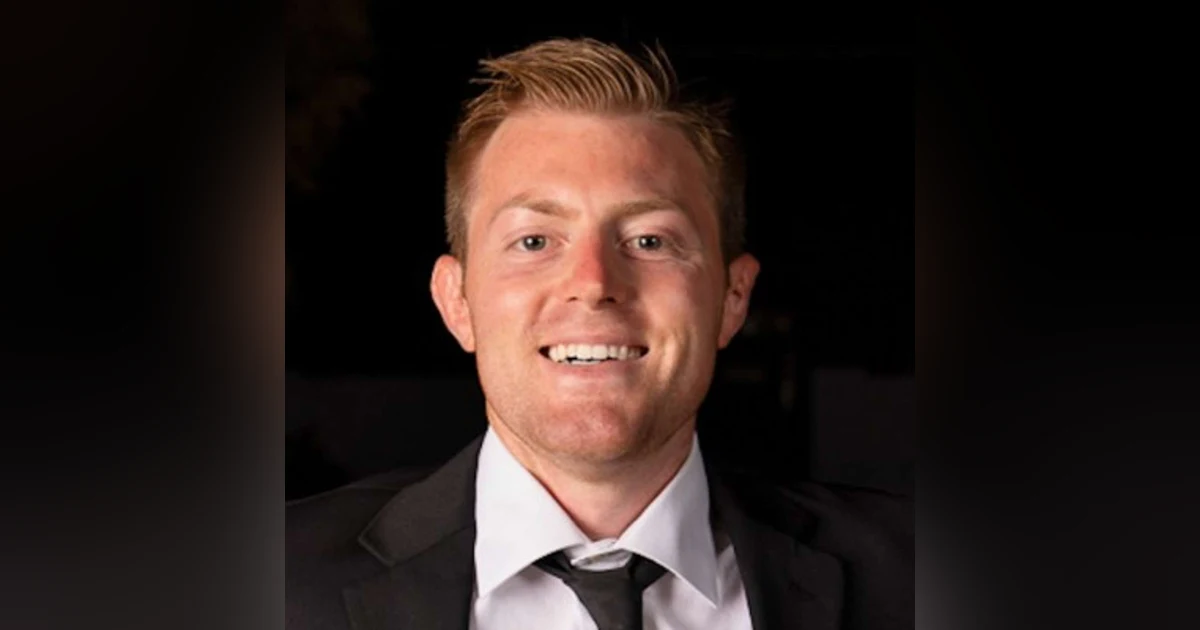


In this episode, I sit down with Soraya Hatcher, SMB Sales Manager at HubSpot, to talk about how AEs can position themselves for sales leadership, build trust in a remote environment, and manage a team with more structure and accountability.
Soraya shares how she went from AE to manager at HubSpot by taking on leadership work before she had the title, including mentoring reps, creating training material, and helping build the Future Leaders Program. She explains why internal brand matters, how to differentiate yourself in a competitive promotion process, and why aspiring managers need to treat the interview like a real sales cycle.
We also get into how she runs her team today, from deal reviews and weekly standups to pipeline coaching and skill development. Soraya breaks down how she diagnoses weak pipeline, how she coaches reps through common SMB objections like cost, competitors, and timeline, and why managers should help reps build their own plan instead of just telling them what to do.
TOPICS WE COVER
- How Soraya went from AE to SMB Sales Manager at HubSpot
- Why taking on leadership work before the title helped her stand out
- How to build trust and culture as a remote sales manager
- The weekly cadence Soraya uses for deal reviews, team meetings, and pipeline accountability
- How she coaches reps through cost, competitor, and timeline objections
- Why aspiring sales leaders should treat promotion like a sales process
ABOUT THE GUEST
Soraya Hatcher is an SMB Sales Manager at HubSpot, where she leads a team of eight account executives. Before moving into management, Soraya spent over three years as an AE at HubSpot, where she mentored reps, created training material, and founded the Future Leaders Program to help develop aspiring sales leaders.
LINKS
Connect with me: https://www.linkedin.com/in/carter-armendarez/
Subscribe to the newsletter: https://www.techsaleswithcarter.com/newsletter/
Learn more about HubSpot: https://www.hubspot.com/
Carter (00:01.318)
Hey Soraya, give the people a quick intro. Who are you and what do you do?
Soraya Hatcher (00:06.04)
Hello Carter, thanks so much for having me. Yeah, my name is Soraya Hatcher. I am an SMB sales manager here at HubSpot. I've been a manager for about nine months and I lead a team of six account executives who run the full sales cycle. So, that's.
Carter (00:20.946)
When you were an AE, I saw in LinkedIn you mentored reps, created training material, and founded the Future Leaders Program. Why go above and beyond and do leadership things before having that title? And do you think that helped you eventually get the sales manager job?
Soraya Hatcher (00:35.79)
Yeah, very good question. I so kind of taking a step back to my the start of my career at HubSpot. I started HubSpot as a rep in June of 2022. I was a rep for about three and a half years, but very early on, I knew that I wanted to be in leadership. So I tried to network internally, meet with different leaders across the board in the sob segment and otherwise. And the biggest piece of advice that all of them gave me was to try to find ways to step out of my
role as a rep to just prove myself as a leader and how, you know, ultimately I could just build my brand. So the reason I started the Future Leaders program, I was a part of that in the first place was because of those recommendations. But knowing that, you know, at a company like HubSpot, it is very, very competitive. And so I did need to figure out different ways that I could differentiate myself from other people, especially knowing that for myself, I was a rep. I never had any sort of formal leadership experience.
So for me, thinking about there are so many external leaders that would be applying to a position at a highly coveted company, I really needed to build up my resume in that capacity. I highly recommend, yeah, stepping outside of your own domain to figure out ways to differentiate yourself.
Carter (01:52.702)
That makes a lot of sense. Where a lot of other people doing that too, doing these different programs, mentoring people, or really you are standing out quite a bit doing those things.
Soraya Hatcher (02:01.518)
Yeah, I would say it was definitely a lot of other people as well. Everyone had their own different, you know, unique ways of approaching it. Thankfully HubSpot is a company that really, really invests in its people and gives opportunities not only to figure out their own ways to be autonomous and say, hey, I want to raise my hand and here's an area where I think that the business could grow and step up as a leader for own, you know, individual initiative or giving opportunities for things like the official team lead program.
So there were a lot of people who stepped up, raised their hand for that team lead program, and that's been going on for quite some time at HubSpot. So in that way, yes, there were a lot of other people that were doing that. But I figured that in order for myself to be even more distinguished, I needed to find ways where I could be unique and do things like starting the Future Leaders program. So yes and no. There's a lot of different ways that you can position yourself. But.
I took advantage of a little bit of both recommendations from other leaders who said, hey, take advantage of what is already being given to you as an opportunity and then figure out ways where you can also be unique in comparison to the other potential candidate.
Carter (03:10.12)
HubSpot's remote. I saw you just met most of your team for the first time in a sales summit. How do you build trust as a newer manager, especially when things are remote and most of that relationship happens behind the screen?
Soraya Hatcher (03:23.948)
Yeah, it's a good question. So I have been remote at HubSpot my entire tenure. When I started, I was in Austin, Texas, and I was there for about six months and then moved to the East Coast where I'm still at now, right outside of DC in Northern Virginia. And there's no office here. There isn't an office in Texas. So wasn't until, I say, a year and a half into my time at HubSpot that I even met anybody in person. But I was very, very fortunate to have a leader who actually happens to now be my director again as a manager.
who I learned so much from on how to really build culture in a fully remote space. One of the first things that he did with me as a rep was having me fill out something called a Working With Me doc. And ultimately what that is, is a series of questions across personal, professional questions like, when's your birthday? Do you have any schedule, any things in your schedule that I need to be conscious of?
motivates you, why sales, what are some personal goals you have for yourself in the short, mid, long term. So things like that, that I was able to learn from him that I now have implemented myself as a manager to get to know people really from the foundation, from the start, just person to person. That's the first thing that I do with each of my new reps that join the team. Understand what makes them tick at work, what do they really care about? How do they like to have one-on-ones?
Do they like to have it really structured? Do they not really care? They're kind of free form. And then from there, I kind of build the relationship after I understand really who they are as a person. It's kind of like doing discovery with them and then building the relationship from there.
Carter (05:01.168)
Okay, that makes a lot of sense. I'm curious when you actually met him in person, were some people taller and shorter than you thought or did they seem a lot different than you thought? Because that's happened to me before because I've been remote and sometimes I'll meet someone and they'll be way taller than I thought or weird stuff like that.
Soraya Hatcher (05:16.394)
It's so funny you say that because before it's a color of sales summit, somebody on my team said, so kind of a weird question, but does anybody want to guess what each other's heights are? I like, I love it because every single time I do that too, and of course the manager, I'm not going to be like, what is everyone's height before a sales summit? But everyone's thinking it. So 100%.
Carter (05:35.271)
Yeah.
Exactly,
What's one mistake you made early as a sales leader that forced you to change how you coach or manage people?
Soraya Hatcher (05:49.314)
Yeah, it's also really good question. think, so going back to the working with me doc, obviously understanding who each of the reps on my team really is as a person in and outside of work, of course, however much they're open and wanting to share with me is really important. But at the same time having, you know, a uniform approach to the way that I run my weekly daily cadence. So thinking about, okay, in one-on-ones, how am I going to run every single deal review?
Of course, some reps are going to say, I want it to be a little bit more freeform. Some reps are very type A they want me to go kind of by the book, but at least having some sort of structured, repeatable process with each of my reps in team meetings, things about nature is what I didn't have as much early on. And that's totally on me. just, you know, it was kind of thinking I'll just kind of not fly by the seat of my pants. It's not the best way to put it, but just thinking about having a little bit more flexibility in it, which don't get me wrong. I think it's very important, but.
having some sort of bones to my process on a daily, weekly, monthly basis is not something that I necessarily had early on that I've started to implement now over the past few months and has made a huge difference.
Carter (07:01.086)
How do you structure these things? Because I'm not a sales manager, so I have no idea how people even go about that. So how do you go about actually structuring these things and setting them
Soraya Hatcher (07:09.858)
Yeah. So Mondays I have my one-on-one deal reviews. And then we also have a Monday morning standup for 30 minutes across the team. Wednesdays have team meetings and then Friday have end of week recap and something called one-on-one RPAs, which is something we do across the board at HubSpot. It stands for results pipeline activity. So breaking each one of them down. So deal review is ultimately we start at the top. the
highest value deal. And what I mean by that is the highest MRR deal. That's where you measure our deals by instead of error. So starting highest to lowest MRR basically walked me through, you know, who's the decision maker, who you meeting with, what's the next step, what are the risks to this deal closing, and really what I most care about. What are the reasons why this would not close? Are we aligned on, you know, a close for a month because we are a month to month quota.
and different questions like that. And then I really challenged them to think about, know, pressure test this deal, ask yourself, is this really a legitimate deal? And then going down the list and also prioritizing, okay, what are you calling for this week and what is realistic to come in? If you are forecasting a miss at this point in the month, what's your plan to get there? How can I help you? at all, otherwise it's kind of happy to review, you know, what your plan is and I'll give you my thoughts input if I think otherwise.
That's deal review. then Monday morning standup kind of varies depending on where we're at in the month. So knowing that we have a monthly quota as a team, as a manager, individual reps, it's, okay, do we need to talk about how can we progress the deals that we currently have in the pipeline? Is it about, we're already at 150 % of team quota, so let's focus on longer term prospecting strategy, nurturing higher value potential, colder deals, or is it that we need to figure out...
You know, what's some short cycle to bridge the gap if we don't even have the pipeline to get there. And then team meeting can be kind of a combination of, we doing, are we bringing in somebody externally? Are we, you know, bringing in a partner that comes in, a HubSpot partner? Are we doing a joint team meeting with someone else? Are we doing a product training? Are we doing a, you know, all different kinds of things. It's so team meeting is ultimately just week over week. I kind of decide what is most relevant. And then end of week recap is same.
Soraya Hatcher (09:29.582)
Same concepts, like where are we at in the month? What do we really need to be focusing on prioritizing? And then RPA is, they have a structured sheet where we go over, okay, what are your inputs? What are you forecasting? How much MRR have you closed? What are the outputs of the pipe gen? How many marketing have deals have you created? Things of that nature. And then it's, hey, tell me what your plan is for next week. Did you hit it? Did you not from the previous week? And if not, why and how are you gonna?
get back on track for next week. So a lot of different data points, lot of, a lot more structure than there was before, but quite a lot of content. I guess this is a good way to put it.
Carter (10:01.235)
Hmm.
Carter (10:09.436)
what are, to move it to the sales side, what are the most common objections your team gets? And what do you tell them to do or say to handle those and get past those?
Soraya Hatcher (10:19.106)
Yeah, I would say the biggest ones are cost, competitor, and timeline. So cost being, HubSpot seems amazing, but it's just a little too far out of our budget. Working exclusively with SMBs, that's just very common across the board. Other times it's, we're looking at a competitor or we decided to go with a competitor. And then the third is timeline. You I don't really know what our timeline is, if this is a priority, if it's not. So.
Isolating those different ones. I think it all comes back the way that I frame it with my team is it all comes back to discovery. Have you done your job in getting ahead of the objections from the start? And it doesn't start at that initial conversation. It's the pre-call prep. So do you know if they're leveraging any competitors today? Have they given any sort of context into coming into the conversation? Did they tell you, we're using Salesforce?
Have they given you any context into, we're in a contract with something else? Have they given you any other context that you can then come prepped to handle those objections before they've really given them to you? But I just tell them, you it really starts at the discovery call and you need to then draw everything back at the end of the day to that and figure out what really is the underlying objection there and then handle it. And I'm rambling a little bit with this answer, kind of off, veering off track, but.
The two things that I say to my team are one, the first objection you get is probably not the real objection. And number two, that in SMB disqualifying is honestly just as important as qualifying. Like if you're speaking with a business and they truly give you the objection of, HubSpot is amazing, we just don't have the budget right now, it needs to respect that and holds the value of HubSpot. We are expensive and we are competitive and not in the market for that reason.
Carter (11:48.786)
Mmm, yeah.
Soraya Hatcher (12:11.426)
have this price point because we have an amazing product. So you need to kind of stand by that and not just give in to leaning into the desperation of, OK, I'll give you a 90 % discount so that we can bring it across the line. Not that we do that, but for sake of the explanation or for the example of it, just don't just lean into the throwing at a discount just because that's the objection they're giving you.
Carter (12:36.008)
That makes a lot of sense because I was in B2C so completely different, but anytime if someone was really nickeling and diming on the cost and we were getting to that point, I would always think, shoot, I'm about to get toasted right now. This is not a good, yeah, if we've not, if we're not hitting on that value thing, that is not a, that is not a good place to be. At least it was not for, for us.
Soraya Hatcher (12:53.656)
Totally.
Carter (12:55.432)
When an AEs pipeline is weak, what are the first things you tell them to do to build that up?
Soraya Hatcher (13:01.646)
Also a good question. I think it's kind of, it's not a one size fits all. So I think for each individual rep, it's thinking about like having a conversation with them, looking at the data that we have. have so many metrics dashboards that we use. We actually use HubSpot for ourselves. So in a skill dev conversation, which I actually also do weekly skill devs with my reps. That was one of the meetings that I did not say that I have, but.
At the, so let's say we're at the start of the month and one of my reps is forecasting 20 % of quota. And it's, okay, let's look at what pipeline do you have? Is it that you genuinely have a forecast of 20 % or you may be undershooting or you even overshooting and then doing a little bit more digging into what the real gap is or the inputs even there? Like, are they even doing the activity? If not, it's okay. You're to get your activity up.
you got to get, whether it's your calls, your emails, maybe it's that the activity is there, but the conversion rate is really low. So it's kind of a, I think of it kind of as a workflow, a thinking about, if your activity is there and you're still not generating enough pipeline or enough deals, then let's look at what's the underlying reason. Is your messaging poor? Are you not reaching out to the right persona? Are you not reaching out to the decision maker? Are you not progressing the discovery call to the next step? If it's not there, then it's, you got it.
simply get up your activity, then there's the answer in itself. So I think it's not a one size fits all. It just kind of depends on where they're at and what they're, typically their biggest gaps are as a rep.
Carter (14:36.282)
Okay. So it's, it's not so crazy to diagnose. You have all the metrics and you can say, okay, they're not making that many dials or their conversions low, or their call time is not that low or, whatever other metrics. And you can figure out pretty quickly, like what, where they're messing up in or where they're not doing their best in that, in that process.
Soraya Hatcher (14:52.81)
Exactly. And it gets even more granular than that. We have so many other metrics, data points getting really granular into things like, is their conversion rate for proactive net new prospecting super low? Is their conversion rate for or deal creation or pipe gen for a QL that is a non-customer super low? So it can look way under the hood and really drill into what's really the root problem here.
instead of just looking at high level, okay, here's your activity, here's where we're at in the month, and let's just kind of throw it at the wall and hope that it sticks, can really make a more tailored coaching plan. But something I also like to do with my reps is not just tell them what to do, it's, you come to the conversation, you tell me based on this report and these different reports that you have access to what you think you should be doing as a plan. So I have each of them send me their weekly plan, which is consists of, okay, if your pipe gen is...
not there, if you're forecasting a miss, if you're way over forecasting in a good way, then what's your plan to get there? And then giving them also the autonomy of figuring out what their coaching plan is. Because I can tell them what to do at all points, but it's not really the best feeling if you're just constantly being told what to do. I want them to feel like they have a seat at the table, because at the end of the day, it's a partnership. Sure, I'm their manager, but I want them to feel like they have the autonomy to figure out what they need to do to get there.
And then I can always help course correct or I can step in and say, I will judge you otherwise, or I think you could do this in addition. But I don't want to just, you know, hey, I'm wrong, hey, do XYZ. And they just, a little puppet of me telling them what to do at all times.
Carter (16:32.273)
Yeah.
Carter (16:35.834)
Right. That's pretty robotic. So yeah, that that makes sense. Do you? Nobody likes that. Yeah. Do you have any final thoughts? Any advice for maybe an AE that wants to be in your seat in the next few years? Any advice for future leaders?
Soraya Hatcher (16:38.872)
Free microbiology, nobody likes that.
Mm-hmm.
Soraya Hatcher (16:52.898)
Yeah, I think going back to your first question on figure out unique ways to differentiate yourself. And part of that is looking at what the competition is, right? So it's thinking about externally and internally. What is the competition like? Where do you kind of stack rank against them? If you don't know who the actual competition is, it's okay. What are the reasons other people are getting the job? What are some reasons that people are not getting the job? And then thinking,
Introspectively, what are your gaps? What are the things that you've been told, maybe if you've interviewed for a role and you haven't gotten it? What has been the very honest, constructive feedback and what you need to do for yourself? But also if you have not been through an interview process, it's thinking about, well, what might the objections be that I'm going to get? Treating the interview like an actual sales process. It's what are the risks I have as a candidate that I need to overcome before they feed me the objection of, you've never been a manager, you've never been a leader. It's okay.
Carter (17:51.771)
Yeah.
Soraya Hatcher (17:52.622)
Document all the things that you have done for yourself, very specific stories, think the STAR method is very important across all different kinds of domains. I mean, now we have AI in quite literally everything. So use that to your advantage, figure out how you can then kind of build a plan for yourself to stand out, leverage the things that are already given to you, but also figure out ways to distinguish yourself from the crowd.
I say a lot of things, two things to my reps, who not how, which is who can help me figure this out? Who can I delegate this to instead of how can I figure this out and take on the responsibility of everything? And then also work smarter, not harder. So how can you leverage those two mantras to progress yourself in your career to get to a leadership position or very, very applicable? I say that to them in terms of how they can progress.
in closing a lot of MRR, but I think that's at high level very applicable to how people can get from, you AE to leadership as well.
Carter (18:59.54)
That's cool, there's a great book called Who Not How.
Soraya Hatcher (19:02.284)
cannot say that I made that one up myself, yes. Yeah, I would be, yeah, that would be very cool if I made that up myself, but I cannot take the credit.
Carter (19:04.532)
Yeah, that's that made me think about that when you said that.
Carter (19:13.554)
Well cool, I think we got some good stuff here, I'll end it here.
Soraya Hatcher (19:16.585)
Awesome. Thanks so much for having me, Carter. This was awesome.


